The 4 Most Dangerous Highways in Florida

The 4 Most Dangerous Highways in Florida

Most Dangerous Roads in America: Florida Edition

The Most Dangerous Highways in Florida: Why They Rank Among the Deadliest in the Nation, And the State’s Initiatives to Reduce Alarming Accident Rates. 

Four of the nation’s top ten deadliest highways are located right here in the Sunshine State. It’s insights like these that make you wonder, why are Florida roads so dangerous? Factors like heavy traffic, outdated infrastructure, high-speed limits, a booming population, and an increase in tourism and snowbirds all contribute to the dangers. Fortunately, Florida is addressing these challenges through major projects and statewide initiatives aimed at improving its most dangerous and congested highways. 

But in the meantime, in this blog, we’ll take a closer look at the most dangerous highways in Florida, the factors that make them so deadly, and the improvements underway. 

Four of the Nation’s Top Ten Deadliest Highways

#1 Deadliest Highway Nationwide – Interstate 4 (I-4)


I-4, spanning 132 miles from Tampa to Daytona Beach, is consistently ranked as the most dangerous highway in Florida and the entire United States, with a staggering 1.134 deaths per mile.  


Tourism & Poor Infrastructure


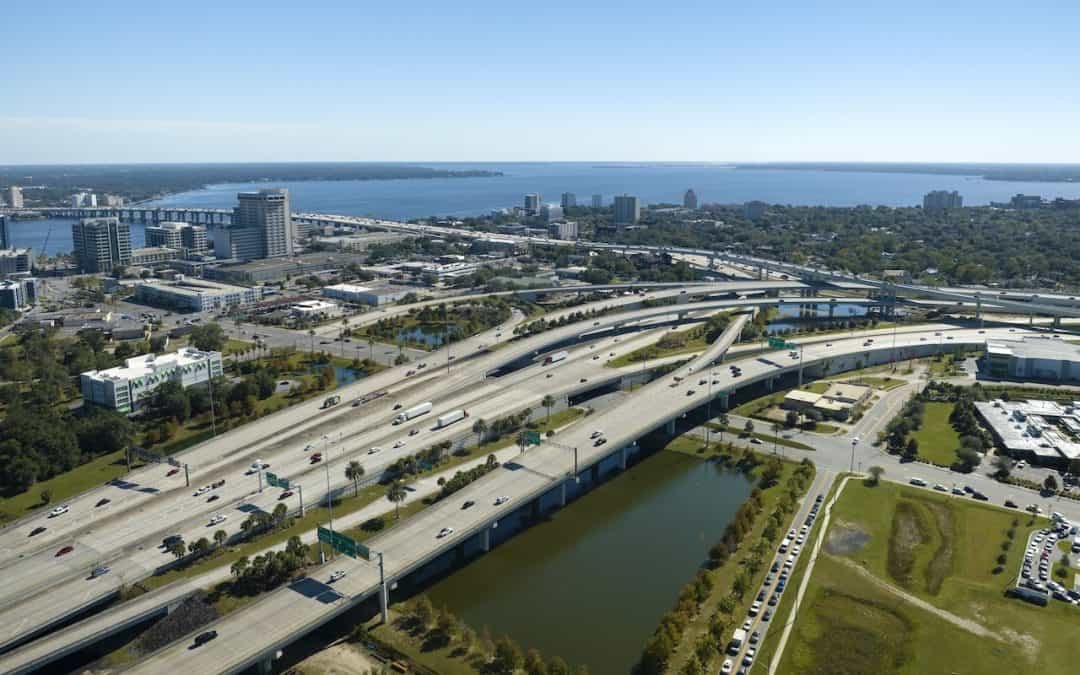
One major contributor to I-4’s risks is its role as a connector between some of Florida’s most populated and visited cities. Orlando, located at the heart of I-4, is a global tourist hotspot, home to Walt Disney World, Universal Studios, and other major attractions. March has the highest rate for accidents on I-4, largely due to increased tourism during spring break. Tourists have to navigate extremely large highways with poor interconnectivity, confusing exits, and outdated infrastructure that struggles to meet modern traffic demands. These challenges, along with constantly looking at the GPS for navigation, often lead to sudden braking, last-minute lane changes, and abrupt merging. This is particularly evident in areas like Downtown Orlando, where poorly designed interchanges create bottlenecks and driver frustration. 


Young woman using smartphone with gps navigation sitting in the car


Ongoing Improvements


Efforts are underway to address the challenges along I-4 through FDOT’s Moving I-4 Forward Program. Key projects include adding auxiliary lanes near Champions Gate, a bustling resort and residential community southwest of Orlando, and World Drive, a main access road to Walt Disney World. These expansions aim to reduce congestion and improve traffic flow in areas heavily traveled by tourists and locals alike, with significant relief expected by 2025.  

Improvements are also being made at the I-4 and U.S. 17-92 interchange, an area serving as a critical connection point for travelers heading into the Orlando metropolitan region. The project includes adding right-turn lanes, upgrading pedestrian and bicycle infrastructure, and redesigning the flow of traffic to reduce congestion and accidents.  

Four of the Nation’s Top Ten Deadliest Highways

#3 Deadliest Highway Nationwide – U.S. Route 192

U.S. Route 192, a 75-mile highway stretching from Four Corners to Indialantic, is ranked 3rd most dangerous highway in America. While it serves as a gateway to tourist-heavy areas like Kissimmee, it is also one of the most dangerous roads for pedestrians, with a fatality rate of 0.867 deaths per mile. While this commercial boom has made the area vibrant, U.S. Route 192 was not originally designed to handle such significant pedestrian activity. 


A Concern for Pedestrians


Pedestrians on U.S. Route 192 often face significant risks when navigating the roadway. The wide, multi-lane design, combined with a lack of safe crosswalks, forces many to weave through traffic to reach their destinations. Poor nighttime lighting, particularly in less-developed areas, further heightens the danger by making it difficult for drivers to spot pedestrians in time to stop. Despite Route 192’s role as a bustling commercial corridor, many sections maintain high speed limits increasing both the likelihood and severity of accidents.  

Ongoing Improvements


Efforts to enhance infrastructure along U.S. Route 192 are currently underway. FDOT is resurfacing the highway from I-95 to State Road 507 in Melbourne to extend the roadway’s lifespan and improve overall safety. Additionally, lighting improvements and plans for better pedestrian crossings are being implemented in high-risk areas to reduce accidents involving pedestrians. In the Kissimmee area, there are ongoing discussions about redesigning sections of U.S. 192 to better accommodate pedestrian traffic, including adding raised medians, more clearly marked crosswalks, and speed limit reductions in heavily trafficked zones. 

Four of the Nation’s Top Ten Deadliest Highways

#5 Deadliest Highway Nationwide – U.S. Route 92

U.S. Route 92, spanning 177 miles from St. Petersburg to Daytona Beach, is ranked the 5th most dangerous highway in America with a fatality rate of 0.706 deaths per mile. Tampa is one of the fastest-growing metropolitan areas in Florida, leading to an increase in both residential and commercial developments along U.S. 92. This growth contributes to heavy traffic congestion as commuters, tourists, and commercial vehicles all use this major route.  


Population Growth


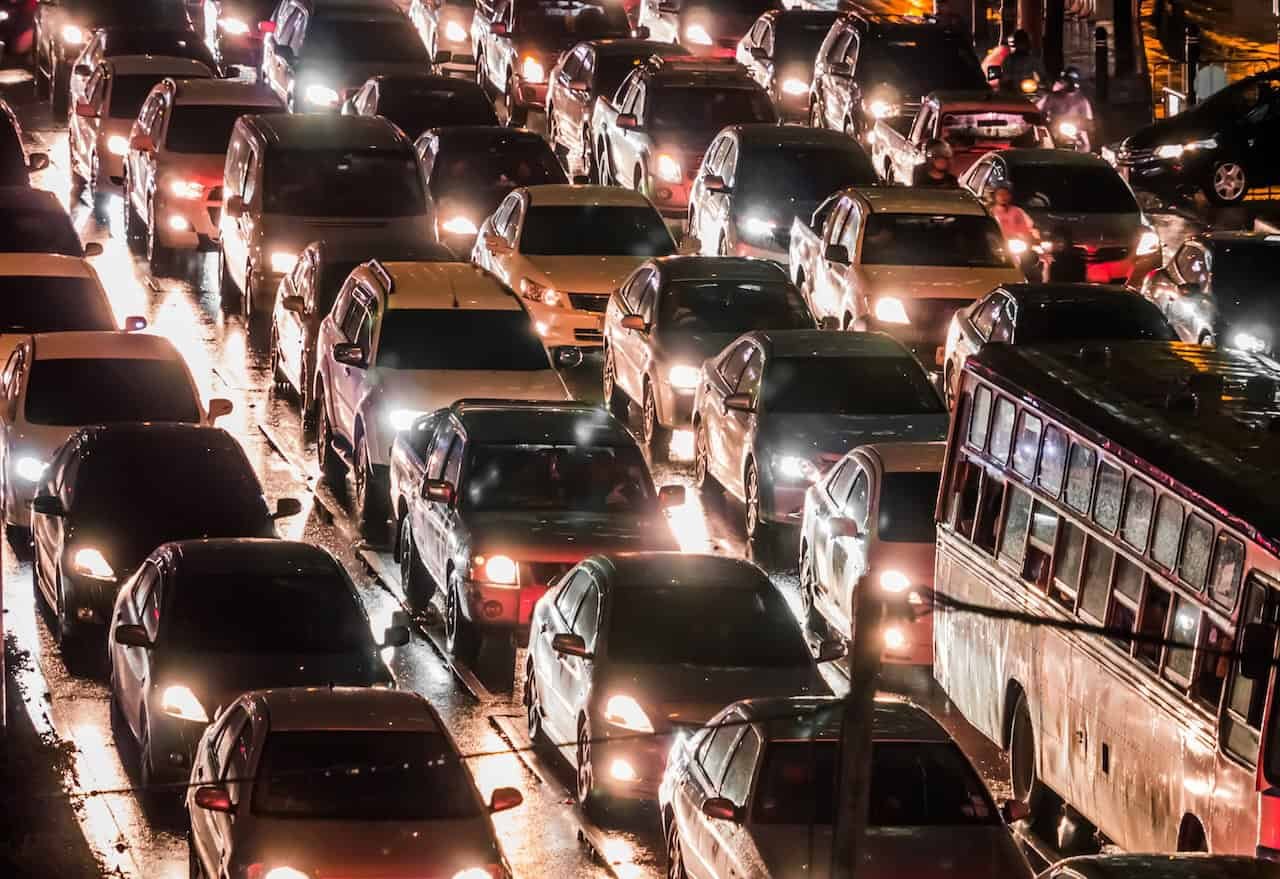
Infrastructure is a major issue on U.S. Route 92. Tampa has experienced significant growth over the past decade. Narrow lanes, limited shoulders, poor visibility, and poorly designed interchanges, such as those near Dale Mabry Highway, frequently lead to accidents. Furthermore, ongoing construction to expand U.S. 92 to accommodate Tampa’s growing population contributes to congestion and safety hazards. Lane closures, shifting traffic patterns, and construction vehicles create additional challenges for drivers, resulting in a higher risk of accidents. 
 

congested traffic in large highway


Driving Under the Influence


Driving under the influence is also a significant concern in Tampa, a city renowned for its vibrant nightlife. However, the limited availability of public transportation and the high cost of rideshare services, especially during peak hours, often lead individuals to drive themselves. Furthermore, Amalie Arena, located just off this highway, regularly hosts major sports events and concerts, drawing crowds from across the region. After these events, heavy traffic, unfamiliarity with the area, and impaired driving create a hazardous environment, significantly heightening the likelihood of accidents, especially when driving under the influence. 


Ongoing Improvements


FDOT has initiated intersection improvements at U.S. 92 and 94th Avenue in Tampa, which include ramp upgrades to improve traffic flow and reduce bottlenecks. Additionally, FDOT is implementing advanced traffic management systems along U.S. 92, particularly on Hillsborough Avenue. These systems include real-time traffic monitoring with sensors and cameras, adaptive traffic signals that adjust based on congestion levels, and digital message boards to inform drivers about delays or alternate routes. This system is expected to improve the flow of vehicles, especially during peak hours. 

Further, plans to widen certain segments of U.S. 92 and add safer pedestrian infrastructure, such as better-lit crosswalks and raised medians, are under discussion to accommodate the growing population and reduce risks. 

Four of the Nation’s Top Ten Deadliest Highways

#8 Deadliest Highway Nationwide – Interstate 95 (I-95)

I-95, spanning 1,908 miles from Miami, FL to Houlton, ME is ranked the 8th most dangerous highway in America with a fatality rate of 0.637 deaths per mile.  


Congestion Along Florida’s Major Cities


Running along the east coast of Florida, I-95 connects some of the state’s most bustling cities, including Miami, Fort Lauderdale, West Palm Beach, and Jacksonville. These cities are not only major work hubs attracting commuters daily but are also known for heavily congested traffic due to the seasonal influx of snowbirds and tourists. On top of this, constant road construction to accommodate Florida’s booming population further exacerbates the congestion and safety risks. 


Jacksonville’s Commercial Truck Traffic


Jacksonville is the deadliest city along I-95, largely due to its heavy commercial truck traffic and complex interchanges. As a key route for freight transport, I-95 near Jacksonville often accommodates a significant number of large trucks. These vehicles require longer stopping distances and have substantial blind spots, making them prone to severe accidents with smaller passenger cars. The challenges are compounded by Jacksonville’s intricate network of interchanges, particularly where I-95 intersects with I-10, U.S. 1, and I-295. These junctions are confusing for unfamiliar drivers, leading to sudden lane changes, merging conflicts, and traffic backups during peak hours. Combined with the already congested nature of I-95 throughout Florida, the result is a heightened risk of side-impact and rear-end collisions. 

Ongoing Improvements


FDOT is undertaking several projects to improve safety and traffic flow along I-95. In Jacksonville, work is underway to enhance the I-95 and I-10 systems interchange. This project includes the construction of new flyover ramps, expanded lanes, and updated signage to make the interchange less confusing for drivers. In South Florida, the Golden Glades Interchange near Miami is receiving a major overhaul to address its reputation as one of the most congested sections of I-95. Improvements include better traffic flow designs, widened lanes, and advanced traffic management systems. 


elevated highways, blue sky


Additionally, FDOT is focusing on lighting upgrades, including installing LED lights along key stretches of I-95 to improve nighttime visibility and reduce accidents. There are also plans to add rumble strips and enhance lane markings to prevent lane departures. 

Florida’s Road Safety Initiatives


Florida has undergone significant changes over the past decade. The continual increase in new residents and visitors heightens demands on its infrastructure. To account for this growing population, the state has initiated projects to address its notoriously dangerous and congested highways, such as I-4, U.S. 192, U.S. 92, and I-95. Beyond these targeted improvements, Florida has also launched broader initiatives to enhance road safety statewide. 


Wrong Way Vehicle Detection System


One example is the $45 million Wrong Way Vehicle Detection System expansion, which aims to prevent head-on collisions by installing advanced detection systems at 380 more off-ramps. These systems alert drivers when they are traveling in the wrong direction and notify authorities to respond quickly. Another major effort is the $60 million investment in rumble strips—grooved patterns installed on over 3,000 miles of highways to alert drivers if they unintentionally drift out of their lane, reducing the risk of accidents. 

Florida’s Motor Vehicle Accident Lawyers Since 1991

These dangerous highways in Florida are among the most dangerous in the nation, with reckless driving, high traffic volumes, and outdated infrastructure posing significant risks to drivers and pedestrians alike. If you or a loved one has been injured in a car accident on one of Florida’s highways, you don’t have to face the aftermath alone. The Law Offices of Scott Jay Senft have decades of experience helping victims of reckless driving and highway accidents recover the compensation they deserve. Our team understands the unique challenges posed by Florida’s roads and will fight to ensure your rights are protected. Contact us today for a free consultation and take the first step toward justice and recovery. Your safety matters, and so does your case.  

Cybertruck Safety Issues: Design, Recalls, and Road Concerns

Cybertruck Safety Issues: Design, Recalls, and Road Concerns

Exploring CyberTruck Safety Issues

Explore Cybertruck Safety Issues, Design Concerns, And Recalls. Is The Tesla Cybertruck Safe? Learn Expert Insights on Its Road Safety Impact. 

Few vehicles have sparked as much attention and controversy in 2024 as the Tesla Cybertruck. With its bold design and cutting-edge technology, Tesla’s newest electric vehicle (EV) promises to redefine the auto industry. However, alongside the excitement, serious questions have emerged about Cybertruck safety issues—from its unconventional design to its performance on the road.  

Concerns about the Cybertruck have only grown since Tesla CEO Elon Musk famously remarked that cybertruck drivers in an “argument” with another vehicle will “win.” Such statements, combined with the truck’s heavyweight build and rigid stainless-steel exterior, have left many wondering: Is the Cybertruck safe for everyone on the road? 

This blog explores the most pressing safety concerns and Cybertruck accident risks, providing a look at what makes this vehicle unique—and potentially dangerous. Whether you’re a Cybertruck owner, a driver sharing the road with one, or simply curious, this guide will address the questions that matter most. 

Safety Issues Explained

What Makes the Cybertruck Stand Out?

The Tesla Cybertruck is an electric pickup truck known for its futuristic, unusual angular design. Built with a rigid stainless-steel exoskeleton and reinforced glass, Tesla claims the Cybertruck is engineered for durability and protection. According to Tesla, it boasts impressive capabilities, such as carrying up to 2,500 lbs., and towing up to 11,000 lbs., making it a heavy-duty EV designed for power and utility.  

Rising Concerns: Blind Spots

However, the Cybertruck’s safety issues often take center stage when discussing its design. The sharp edges, blocky frame, and tall profile contribute to significant blind spots, raising concerns about visibility for drivers. While these features make the Cybertruck a one-of-a-kind vehicle, they also raise critical questions about its safety. 


grey cybertruck


Key Safety Features in the Cybertruck


While Tesla’s design has raised significant safety concerns, the Cybertruck does feature advanced technologies that aim to enhance driver safety and prevent accidents. Key features include an array of sensors and cameras designed to detect potential hazards, such as head-on collisions or lane departures. These systems enable the Cybertruck to assist with critical functions like automatic braking, helping drivers slow down when necessary to avoid crashes.  

Tesla asserts that these technologies meet the performance criteria established by Federal Motor Vehicle Safety Standards (FMVSS), but it’s important to note that these standards are self-certified by the manufacturer, not independently verified by agencies like the NHTSA. While these driver-assistance systems add a layer of protection, they are not foolproof. Drivers must remain attentive and responsible, as no technology can eliminate the risk of accidents entirely. 

The Cybertruck's Lack of Independent Crash Testing

One of the most significant Cybertruck safety issues lies in the absence of independent crash testing. Despite being on the market for nearly a year, the Tesla Cybertruck has not undergone evaluations by the National Highway Traffic Safety Administration (NHTSA) or the Insurance Institute for Highway Safety (IIHS). These organizations are widely regarded as the gold standard for assessing vehicle safety, and their crash tests provide critical data to help consumers make informed decisions. 

Tesla has certified the Cybertruck under Federal Motor Vehicle Safety Standards (FMVSS), but this certification is based on self-reported, in-house testing conducted by the manufacturer. Unlike the rigorous and transparent testing protocols employed by the NHTSA or IIHS, Tesla’s internal testing lacks third-party validation, leaving many unanswered questions about the Cybertruck’s real-world safety performance. 

Expert Opinions

Expert Opinions and Controversy Over Cybertruck Safety

The Tesla Cybertruck’s unconventional design has sparked significant safety concerns, particularly regarding its impact on other vehicles and pedestrians. 


Bulky & Heavy Build


 Many experts have raised alarms about the Cybertruck’s bulky build, sharp edges, and rigid stainless-steel exterior. These features, while visually striking, could exacerbate the severity of collisions. A crash involving such a solid and heavy vehicle may result in greater damage and injuries, especially to smaller vehicles or vulnerable road users like pedestrians and cyclists. 


Lack of Crumple Zones


Another major concern is the apparent lack of crumple zones—a standard safety feature in most modern vehicles. Crumple zones are designed to absorb and distribute the force of an impact, reducing the risk of serious injury to passengers. Tesla has claimed the Cybertruck includes shock absorption measures, but the specifics remain unclear, leaving some experts skeptical about its crashworthiness. The Cybertruck has also faced multiple recalls, highlighting the ongoing challenges in ensuring the vehicle’s safety and reliability. 


cybertruck safety issues: crumple zone infographic

Cybertruck History

The Recall History: Addressing Safety Issues

Recalls are issued when a vehicle is found to have defects or design flaws that compromise safety or fail to meet federal standards. While recalls are common across the auto industry, they provide valuable insights into potential safety risks. In its first year on the market, the Tesla Cybertruck has undergone six recalls, raising questions about its reliability and the manufacturer’s response to cybertruck safety issues. With each recall, Tesla has also provided a way for those affected to fix the issue. This is usually a software update or vehicle maintenance at no additional cost to the consumer. 


Cybertruck Recalls 


Date 

Issue 

Description 

Fix 

Jan 30, 2024 

Warning Indicator Readability 

Brake, Park, and Antilock indicators had fonts too small to meet visibility standards. 

Software update to enlarge font size. 


Apr 17, 2024 

Accelerator Pedal Malfunction 

Accelerator pedal could become stuck, increasing the risk of a Cybertruck accident. 


Free maintenance to fix or replace pedal. 


Jun 19, 2024 

Windshield Wiper Malfunction 

Windshield wipers failed to operate properly, affecting driver visibility. 

Replacement of wiper motor. 


Jun 19, 2024 

Loose Applique 

A loose applique posed the risk of becoming a road hazard. 

Maintenance to replace faulty attachment. 


Sep 26, 2024 

Backup Camera Delay 

Backup camera experienced delays, creating blind spots when reversing. 

Over-the-air software fix. 


Nov 5, 2024 

Drive Inverter Malfunction 

Faulty drive inverter led to loss of propulsion in some vehicles. 

Maintenance to replace the inverter. 


Considerations

Legal Considerations for Cybertruck Drivers

The Cybertruck is legal to own and operate in the United States, meeting Federal Motor Vehicle Safety Standards (FMVSS). However, its legality in other regions, such as Europe, is less certain due to differing safety regulations. This global discrepancy further underscores the unique nature of the Cybertruck and its potential safety and legal implications.  


The Impact on Liability


In the U.S., the Cybertruck’s size and weight introduce unique liability considerations. While its advanced safety features aim to reduce risks, the vehicle’s heavy-duty design means it could cause more significant damage in an accident compared to smaller vehicles. This doesn’t inherently make Cybertruck drivers more liable, but it does emphasize the importance of cautious and responsible driving. By staying aware of the Cybertruck’s characteristics, addressing recalls promptly, and practicing safe driving habits, owners can minimize risks while navigating their legal responsibilities. 


Final Thoughts & Considerations


The Tesla Cybertruck is undeniably a groundbreaking vehicle, pushing the boundaries of design and technology in the automotive world. However, its unique features, lack of independent crash testing, and recurring safety concerns leave its true safety profile an open question.  While Tesla’s advanced driver-assistance technologies and quick responses to recalls demonstrate a commitment to addressing potential hazards, they cannot fully alleviate the concerns raised by experts and the driving public. For Cybertruck owners, staying informed, addressing recalls, and driving responsibly are crucial steps to ensure safety. 

Ultimately, whether the Cybertruck proves to be a safe innovation or a cause for concern will depend on further testing, data, and time. For now, the best approach is to remain cautious, prioritize awareness, and advocate for the transparency and testing necessary to evaluate this vehicle’s full impact on road safety. 

florida catastrophic injuries lawyer scott senft

Cybertruck Accident Lawyer – No Win, No Fee – Free Consults.

If you or a loved one has been injured in a Cybertruck accident in Florida, navigating the uncertainties can be overwhelming. At The Law Offices of Scott Jay Senft, we are here to protect your rights, guide you through the legal process, and fight for the compensation you deserve. Contact us today to speak with a Florida auto accident attorney who will stand by your side every step of the way. 

Hurricane Damage Claim: A Floridian’s Guide

Hurricane Damage Claim: A Floridian’s Guide

Maximizing Your Hurricane Damage Claim in Florida

Preparing For Your Hurricane Damage Claim. Take A Deep Dive into Homeowners, Hurricane & Flood Insurance + Combat Denied or Underpaid Claims.

Comprehensive Legal Insights

Empower Yourself with Knowledge

Explore our in-depth resources to better understand your legal options and protections for property damage.

The Financial Toll of Hurricane Helene and Milton 


Florida experiences hurricanes every year, but this season brought two major back-to-back storms, leaving a trail of devastating losses and immense financial strain. Hurricane Milton caused an estimated $2.89 billion in insured losses, while Hurricane Helene resulted in approximately $1.44 billion​. 

The Reality for Homeowners: Denied and Underpaid Claims

As insurance companies process incoming waves of property damage claims, homeowners experience pushback from the insurer, may it be the amount owed or disputes regarding the validity of the claim. In such instances, a hurricane damage attorney becomes essential, offering the resources and expertise needed to hold insurers accountable and demand rightful compensation.  

Fight for the Compensation You’re Rightfully Owed

The Law Offices of Scott Jay Senft has over three decades maximizing compensation on behalf of clients. Our commitment to protecting the vulnerable fuels our relentless approach. Following a natural disaster, it is our community that provides the support we need to move forward. As members of the community, equipped with extensive knowledge of Florida law, it is our duty to protect residents impacted by natural disasters and betrayed by insurers.  

Schedule A Free Consult, Policy Review, and On-Site Inspection With Our Attorney & Public Adjuster!

Insurance Coverage Explained

Florida Homeowners Insurance Coverage Explained: Hurricane Damage

In Florida, homeowners’ insurance policies generally include “hurricane coverage” as mandated under Florida statute 627.4025. This coverage specifically addresses losses caused by windstorms during a hurricane.  

The statute defines “hurricane coverage” as covering any loss or damage from the force of wind during a hurricane. This includes any secondary damage to the interior of the building or its contents. For example, if high winds create an opening, allowing rain, sleet, or dust to enter and cause additional damage, the resulting interior damage would be covered under the policy​.  


high winds from hurricane created an opening in window


In addition to standard policy terms, hurricane coverage in Florida includes a unique hurricane deductible. This deductible applies exclusively to claims from hurricanes named by the National Weather Service, like Hurricane Milton or Hurricane Helene.  


What Specific Property is Covered Under Florida’s Hurricane Coverage within a Homeowners Insurance Policy?


Hurricane coverage within a homeowners insurance policy offers essential protection, but the specifics can vary depending on the policy. It’s crucial for homeowners to review their declarations page which outlines key details like coverage limits, deductibles, and included protections. Hurricane coverage typically includes protection for your home’s structure, additional structures (e.g. garage, fences, sheds), personal belongings, interior damage due to wind openings, and additional living expenses (e.g. temporary accommodations).   


Home Structure

Hurricane coverage helps cover repairs or reconstruction of the primary structure of the home, including walls, roofs, and foundations. This coverage ensures that the main building where you live is protected against damage from hurricane-force winds and flying debris. Additionally, it includes built-in appliances and essential home systems, such as HVAC units and water heaters, if they’re damaged by the hurricane.  


Wood frame interior of a new house under construction


Other Structures


Detached structures on the property, like garages, fences, sheds, and carports, are typically covered under the policy’s ‘other structures’ provision, provided they are located on the insured property. 


Shed was damaged when trees uprooted by strong winds fell on it during hurricane; homeowner needs to file hurricane damage claim


Personal Property


Hurricane insurance generally includes protection for personal belongings inside the home that may be damaged by wind or water intrusion caused by wind. This could include furniture, electronics, clothing, and other valuables. Coverage amounts vary based on policy limits, so reviewing and ensuring these limits are adequate is essential​. 


Interior Damage Due to Wind-Related Openings


Hurricane coverage also includes interior damage if wind causes an opening in the structure, allowing rain, dust, or sand to enter and damage property inside. This type of coverage is distinct from personal property protection as it focuses on the structural integrity of your home’s interior. For example, if a hurricane damages your roof, allowing rain to leak into your attic and damage the ceiling below, this coverage will help pay for the necessary repairs. It ensures that any secondary damage caused by breaches in the home’s exterior is addressed, maintaining the overall condition of your interior spaces. 


Additional Living Expenses (ALE)


If hurricane damage renders the home uninhabitable, hurricane coverage often provides for additional living expenses. This can include hotel stays, meals, and commuting costs incurred while the home is being repaired or rebuilt. ALE helps homeowners maintain their quality of life during the recovery period​. 


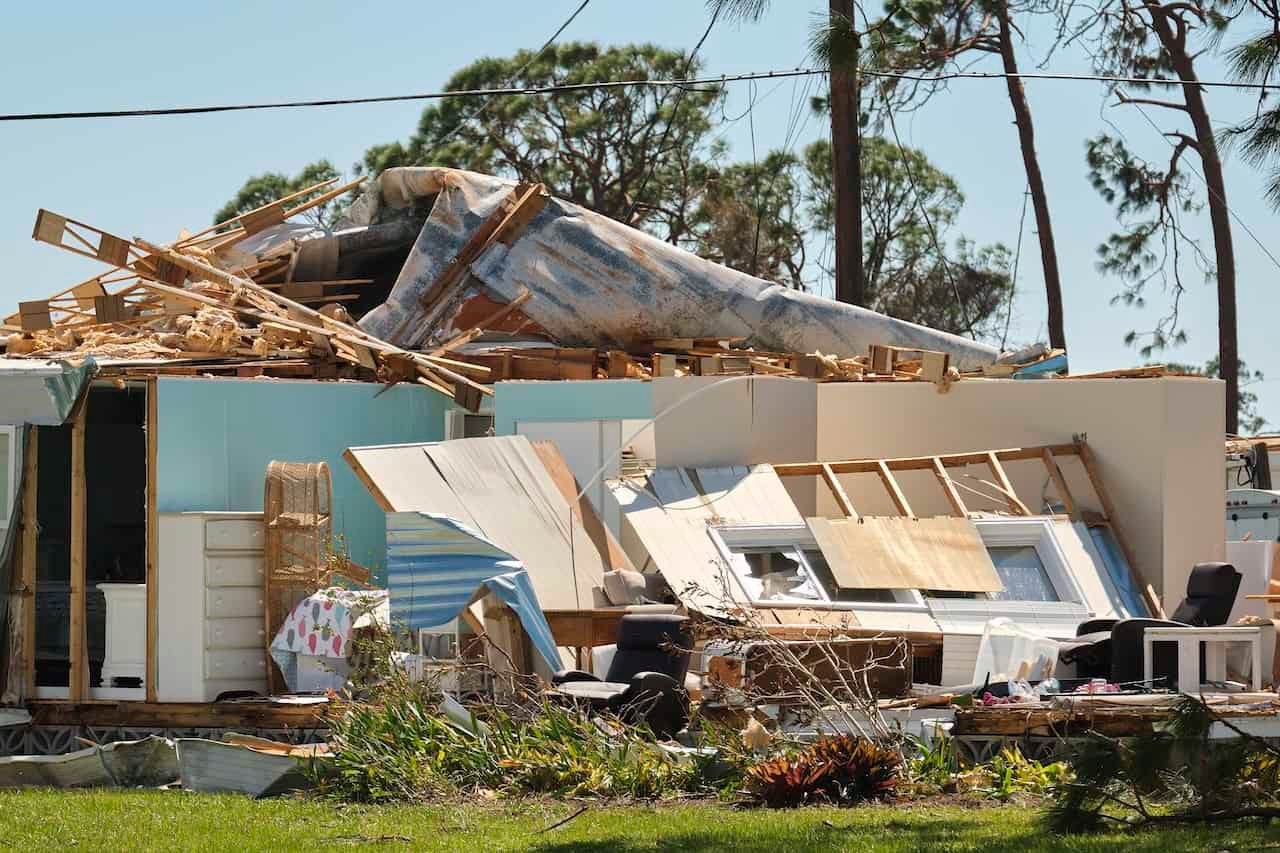
Severely damaged by hurricane Ian house in Florida mobile home residential area. Consequences of natural disaster. needs hurricane damage attorney


Does Hurricane Insurance Cover Flooding?


While hurricane insurance provides valuable coverage for wind-related damage, it does not cover flood damage. Flood coverage is a separate policy that protects against damage caused by rising water, storm surges, and other flood-related incidents commonly triggered by hurricanes. Unlike hurricane coverage, which addresses structural and interior damage caused by high winds, flood insurance focuses on water intrusion from ground-level sources, such as overflowing rivers or storm surges. 


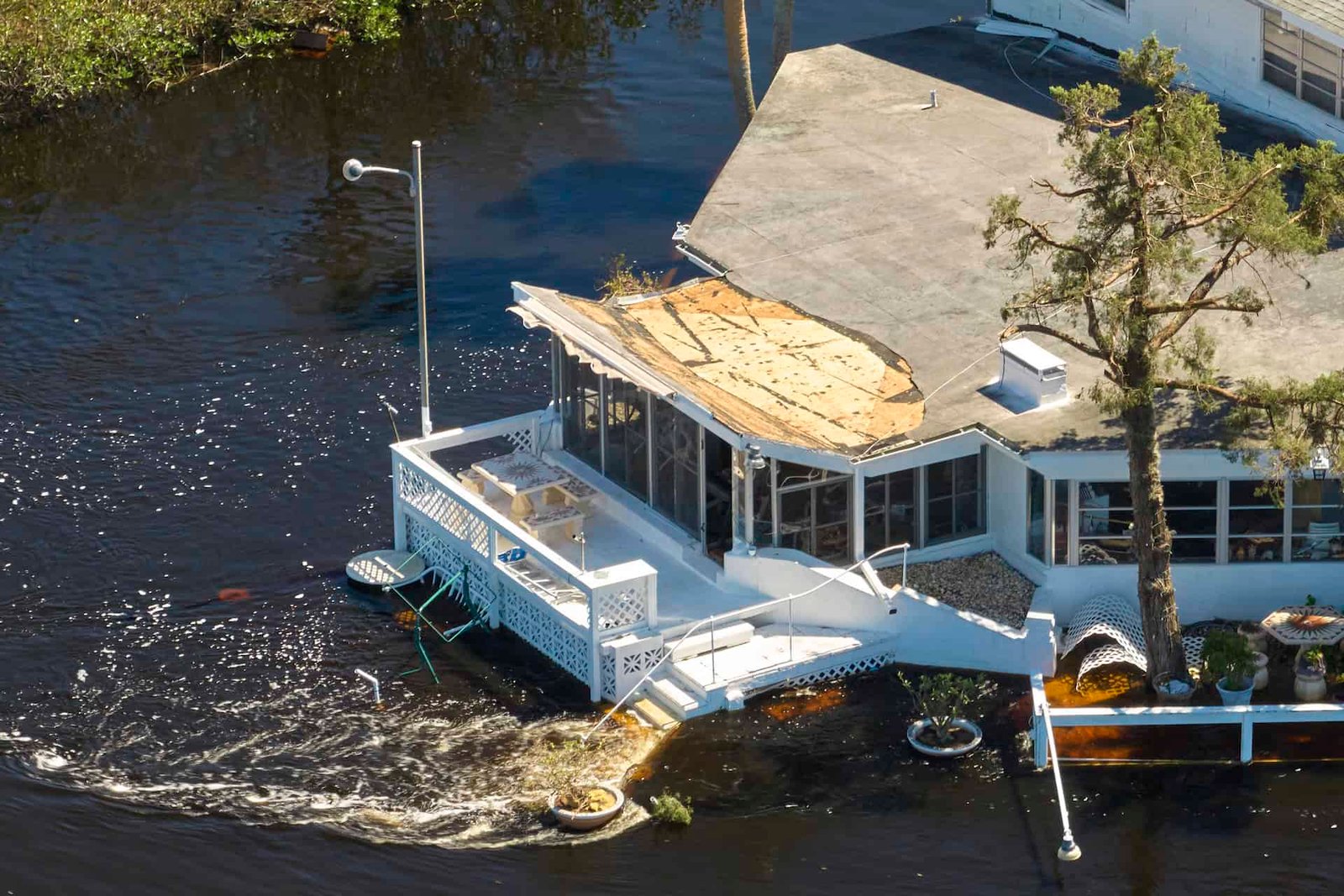
Hurricane Ian flooded houses in Florida residential area. Natural disaster and its consequences.


Differences Between Hurricane and Flood Insurance


Flood insurance is designed to cover damage specifically caused by external water entering the home. This includes structural damage, foundation repair, flooring replacement, and electrical system repairs. Additionally, flood coverage protects personal property affected by rising water, such as furniture, electronics, and clothing, up to the policy limits.  

If hurricane winds tear off part of the roof and rain enters, damaging walls and belongings, this would generally be covered by hurricane insurance. In contrast, if a storm surge causes floodwater from a nearby river to inundate the home and result in similar interior damage, flood insurance would be needed to cover these costs. 

Denied and Underpaid Hurricane Damage Claims 

Knowing the differences between hurricane and flood insurance is essential, as each policy addresses specific types of damage. However, even with comprehensive coverage, many homeowners encounter issues when insurers process claims. Due to the high volume of claims following severe hurricanes, insurers may delay, underpay, or deny rightful payouts, often citing exclusions or disputing damage assessments. This can leave policyholders facing significant out-of-pocket expenses, despite having prepared for such disasters. 

Why Claims Are Often Denied or Underpaid


Several reasons can contribute to denied or underpaid claims. Insurers may argue that certain damages aren’t covered, dispute the extent of the damage, or claim that pre-existing conditions contributed to the loss. In hurricane-prone areas, insurers also scrutinize claims, sometimes attributing damage to excluded causes, like flooding, rather than wind or structural compromise covered by hurricane insurance. 

What You Can Do to Avoid Claim Issues


To avoid common issues with hurricane damage claims, it’s crucial to document all damage thoroughly right after the storm. Take detailed photos and videos of the affected areas and keep receipts for any temporary repairs or relocation expenses. Additionally, be specific in describing the damage to avoid confusion between wind-related and flood damage. For example, if high winds caused structural damage that allowed rain to enter and damage your belongings, describe it as “structural damage with resulting water damage to interior items.” Avoid describing it as “flooding,” which may be interpreted as a flood insurance claim if you don’t have a flood policy. Don’t make definitive statements about damages or fault without proper assessments, as this can be used against you. 

What to Do If Your Hurricane Damage Claim is Denied


If your hurricane damage claim is denied, don’t lose hope—there are steps you can take to seek fair compensation. First, request a detailed explanation from your insurer about why the claim was denied. Reviewing this along with your policy’s declarations page can help clarify any coverage misunderstandings. Be sure to document everything, from photos and videos of the damage to repair estimates and receipts, as these records strengthen your case. 

Benefits of Contracting a Public Adjuster and Hurricane Damage Attorney

Hiring both a public adjuster and a hurricane damage attorney can be invaluable for ensuring you receive fair compensation. A public adjuster works independently from your insurer to assess damages, document losses, and negotiate directly with the insurance company, helping to maximize your payout, especially when initial offers fall short. Meanwhile, a hurricane damage attorney provides essential legal support if your claim is denied, underpaid, or if bad faith practices arise. Attorneys familiar with Florida insurance laws can file appeals, challenge unfair denials, and even pursue legal action when necessary. Together, a public adjuster and an attorney offer comprehensive support through the entire claims process, helping protect your rights and secure the compensation you need. 

Dedicated Advocacy for Your Rights & Compensation

Committed to Securing Your Rights and Compensation

As Florida residents, The Law Offices of Scott Jay Senft deeply understands the immense stress homeowners face in the aftermath of a hurricane. With over 30 years of experience fighting insurance companies, we know the ideal process for navigating complex claims and work closely with public adjusters to help secure the maximum compensation available. Together, we’re dedicated to protecting your rights, handling every detail, and ensuring you aren’t left bearing the financial burden alone. When insurance companies underpay or deny claims, our team stands by you, advocating with skill and commitment. Contact us today for a free consultation, policy review, and on-site inspection to begin your journey toward the compensation you deserve. 

Frequently Asked Questions

Get answers to common questions about hurricane damage claims and legal representation to better understand your rights and options.

What Is the Hurricane Damage Claims Process in Florida?

The hurricane damage claims process in Florida typically involves several steps. First, report your loss to the insurance company as soon as possible. You’ll then need to document the damage by taking photos and videos, and an insurance adjuster will inspect the property to assess the extent of the damage. The insurer will use this assessment to calculate your claim’s value and make a settlement offer. If disagreements arise, you can negotiate, and in cases of disputes, consulting a public adjuster or attorney may help secure a fair outcome. 

How Long Do I Have to File a Hurricane Claim in Florida?

Under Florida law, property insurance claims, including hurricane damage claims, must be filed within one year of the date of loss, which is the date the hurricane made landfall as verified by the National Oceanic and Atmospheric Administration (NOAA). A reopened claim must also be filed within this one-year timeframe. However, for supplemental claims—claims for additional costs or damage discovered during repairs or replacement—the deadline is 18 months from the date of loss. It’s crucial for policyholders to be aware of these deadlines to avoid having their claims barred for late filing​.

Does Homeowners Insurance Cover Hurricane Damage in Florida?

Yes, Florida homeowners insurance typically covers hurricane-related damage, specifically for wind and wind-driven rain. However, it does not cover flood damage, which requires a separate flood insurance policy through the National Flood Insurance Program or a private insurer​.

Does Renters Insurance Cover Hurricane Damage?

Renters insurance does not cover structural hurricane damage (this falls under the landlord’s insurance). However, renters insurance often includes coverage for personal belongings damaged by hurricane winds and may offer additional living expenses if the property becomes uninhabitable. Flood damage, however, is not included and requires separate flood insurance​.

close up of gavel and cash on white background with copy space, side view

Wrongful Death Settlements – Facts & Examples

Wrongful Death Settlements – Facts & Examples

Wrongful Death Settlements: Key Facts for Families Seeking Justice

Discover wrongful death settlements: key facts, compensation, and case examples – learn how claims work, who can file, and what damages may be awarded.

Comprehensive Tort Law Insights

Empower Yourself with Knowledge

Explore our in-depth resources to better understand your legal options and protections under tort law.

Losing a loved one in a wrongful death incident is deeply painful, leaving families with both emotional and financial burdens. Wrongful death settlements can help ease some of these burdens by offering families a way to pursue justice and compensation. This blog dives deeper into explaining who is eligible to file a wrongful death claim, the legal grounds required, recoverable damages, and factors that influence settlement amounts. By understanding these essential aspects, families can make informed decisions as they seek justice and compensation. 

FAQ

What is a Wrongful Death Claim?

A wrongful death claim is a legal action taken under tort law when a person’s death is directly caused by another party’s negligence, misconduct, or intentional harm. Family members or personal representatives may seek a wrongful death settlement to receive compensation for death-related losses including financial and emotional suffering. Florida’s statute of limitations for wrongful death claims is two years from the date of death. Failure to file within this period usually equates to an inability to seek compensation from the party responsible.   


Who Can Sue for Wrongful Death?

In Florida, only the personal representative of the deceased’s estate can file a wrongful death claim on behalf of the surviving family members. The personal representative is usually named in the deceased’s will or estate plan. However, if no personal representative is specified, the court appoints someone—often a close family member like a spouse, or another suitable individual depending on the family and estate circumstances. Their role extends beyond filing the claim. They ensure that compensation is fairly distributed to each eligible survivor according to Florida law, based on their specific losses. This structure ensures a balanced and lawful distribution of compensation among all entitled family members. 


How Are Wrongful Death Settlements Paid Out?

Wrongful death settlements are paid out through a structured process that prioritizes fair distribution among eligible survivors—those family members legally entitled to compensation. The settlement amount is awarded to the deceased’s estate, and from there, the personal representative of the estate ensures the funds are distributed to each eligible survivor. Eligible survivors typically include the deceased’s spouse, children, parents, and financially dependent individuals. 

Florida law allows these survivors to recover both economic damages—such as medical expenses, lost wages, and funeral costs—and non-economic damages for emotional suffering, loss of companionship, and other intangible losses. The personal representative manages this distribution, ensuring each eligible family member receives an appropriate portion based on their specific losses and needs.

FAQ

What is the Average Payout in a Wrongful Death Lawsuit?

In the U.S., the average payout in a wrongful death lawsuit typically ranges from $500,000 to $1 million, though wrongful death settlements can vary significantly based on the specifics of each case. Wrongful death claims generally result in higher payouts compared to personal injury claims because they involve the loss of life. Factors like the deceased’s age, earning potential, the emotional and financial impact on surviving family members, and state restrictions, all influence the settlement amount. 

What Damages Can Be Recovered in a Wrongful Death Lawsuit?

Damages in wrongful death settlements typically include economic and non-economic compensation for losses such as medical expenses, lost wages, funeral costs, and emotional suffering. In some cases, punitive damages are also awarded to punish the defendant for especially egregious behavior. 


Economic Damages

Economic damages cover measurable financial losses, including medical expenses incurred prior to the deceased’s death, lost income that the deceased would have provided to the family, and funeral or burial costs. These damages are straightforward and are meant to alleviate the financial burdens that often accompany an unexpected death. 


Non-Economic Damages

Non-economic damages are more subjective and address the emotional pain, suffering, and loss of companionship that family members experience. This includes the loss of guidance, care, and emotional support that the deceased would have continued to provide. Amounts awarded for non-economic damage can be substantial, particularly in cases where the deceased was a significant contributor to emotional and familial stability. 


Punitive Damages

Punitive damages are meant to punish the defendant when the death is caused by egregious behavior, such as gross negligence or intentional harm. This type of damage serves to deter similar conduct in the future. However, not all states allow for punitive damages. Florida allows for punitive damages in wrongful death lawsuits, but they are subject to certain limitations. For example, punitive damages cannot exceed three times the compensatory damages or $500,000, whichever is greater. However, if the defendant’s actions were intentional or motivated by profit despite known dangers, the cap increases to four times the compensatory damages or $2 million, and in some cases, there is no limit. 

Case study

Notably High Wrongful Death Settlement in Florida

In Mathew Rotell v. Kristina Gaime, a $500 million settlement was awarded, constituting compensatory damages for the emotional suffering and lost income of the family as well as a substantial amount in punitive damages. Gaime’s actions were deemed as intentional since she attempted to kill both of her children by gassing them in her minivan. Because the harm was deliberate, no cap was placed on punitive damages to ensure punishment for the abhorrent behavior. The high punitive damages awarded underscores how intentional harm can result in much larger awards, serving both as punishment and a deterrent. 

Popular Case Example

Is Wrongful Death Civil or Criminal?

A wrongful death lawsuit is a civil case, meaning it is focused on compensating the victim’s family rather than punishing the defendant with criminal sanctions like prison time. The goal of a wrongful death suit is to provide financial compensation for losses. These cases are filed by the deceased’s family or estate against the responsible party. In contrast, criminal cases—such as charges of murder or manslaughter—are brought by the government and can result in penalties like jail time. Both types of cases can occur simultaneously. 


The O.J. Simpson Trial: Civil vs. Criminal Case

A well-known example is the O.J. Simpson trial. In 1995, Simpson was acquitted in a criminal trial for the murders of his ex-wife Nicole Brown Simpson and her friend Ronald Goldman. Despite his acquittal in the criminal case, Simpson was later found liable in a civil wrongful death lawsuit filed by the families of the victims. In the civil case, the jury found him responsible for the deaths and awarded $33.5 million in damages to the families. The different outcomes arose because the burden of proof is lower in civil cases. Criminal cases require proving guilt “beyond a reasonable doubt,” while civil cases only require proof based on a “preponderance of the evidence,” meaning it was more likely than not that Simpson was liable for the deaths. 

Florida auto accident law team

Get Your Free Consultation Today

At The Law Offices of Scott Jay Senft, we have dedicated over 30 years to helping families navigate the difficult and emotional process of wrongful death lawsuits. While we understand that no settlement can ever truly compensate for the loss of a loved one, we are committed to holding those responsible accountable. Our team of wrongful death lawyers has secured millions of dollars in compensation for our clients, ensuring they receive the financial support needed to move forward. We are here to provide the strong legal representation you deserve, guiding you through every step of the way. Call us today and get a free consultation.

Frequently Asked Questions

Get answers to common questions about wrongful death lawsuits and legal representation to better understand your rights and options.

How Long Does a Wrongful Death Lawsuit Take?

A wrongful death lawsuit typically last anywhere from several months to a few years to resolve, depending on various factors. If liability is clear and the parties agree on a settlement, cases can be resolved as early as a matter of months. However, more complex cases—especially those involving disputed facts, multiple defendants, or high-value claims—can take much longer, often extending to a few years if they go to trial. 

Who Gets the Money in a Wrongful Death Lawsuit?

In a wrongful death lawsuit, the money awarded typically goes to the surviving family members or dependents of the deceased. The specific distribution of funds depends on the laws of the state and the relationship of the survivors to the deceased. In most cases, compensation is provided to immediate family members such as spouses, children, and sometimes parents. The funds may be allocated based on each family member’s level of dependency on the deceased, ensuring fair distribution.

What is the Statute of Limitations for Wrongful Death?

The statute of limitations for filing a wrongful death lawsuit varies by state. In Florida, the statute of limitations is generally two years from the date of death. This means that the lawsuit must be filed within this time, or the family risks losing the right to seek compensation. However, the timeline can be shorter or longer in other states, and exceptions may apply, such as in cases of medical malpractice or government-related claims.

Can You Sue a Hospital for Wrongful Death?

Yes, you can sue a hospital for wrongful death if the death was caused by medical malpractice or negligence by healthcare providers. This can occur if a doctor, nurse, or other medical staff failed to provide the standard of care expected, leading to the patient’s death. Wrongful death claims against hospitals typically involve cases where there was a failure to diagnose a condition, surgical errors, medication mistakes, or improper care during treatment. In these lawsuits, the plaintiff (usually the family or estate of the deceased) must prove that the hospital or healthcare professional was negligent and that this negligence directly caused the death. 

Are Wrongful Death Settlements Taxable?

When it comes to taxes on wrongful death settlements, the IRS generally does not tax compensatory damages—these include damages for things like medical bills, funeral costs, pain and suffering, and other emotional distress related to the physical injury or death. However, punitive damages, which are meant to punish the defendant for egregious actions, are taxable as income. Additionally, any interest earned on the settlement would also be subject to taxation. 

What does a Wrongful Death Lawyer Do?

A wrongful death lawyer helps families seek compensation after a loved one’s death by managing the entire legal process. They evaluate if negligence or misconduct caused the death, gather evidence, and file the lawsuit within the legal timeframe. The lawyer negotiates settlements or represents the family in court to secure compensation for economic losses, emotional suffering, and punitive damages. Their goal is to handle all legal aspects while providing support to the family during a difficult time.

wrongful death lawyer working with young female client and pointing at laptop

How to Overcome the Challenges of a Nursing Home Abuse Lawsuit

How to Overcome the Challenges of a Nursing Home Abuse Lawsuit

Nursing Home Abuse Lawsuits

Filing a Nursing Home Abuse Lawsuit? Prepare for the Road Ahead & Learn How An Attorney Can Help You Succeed.

Available 24/7

Free Case Evaluation

Do you believe that you or a loved one has been abused by the staff in a nursing home facility? If so, you are not alone. Nursing home abuse, the mistreatment of nursing home residents by their caretakers, is a widespread problem in the US. The World Health Organization indicates that rates of elder abuse are concerningly high in elder care institutions. In fact, 2 in 3 nursing home staff members reported some form of abuse towards residents in a single year. Yet as few as 1 in 14 cases of elder abuse are reported 

Although victims and their loved ones commonly feel guilt or shame in the wake of nursing home abuse, you are not at fault. These institutions have a legal and ethical responsibility to ensure safe, humane care for you or your loved one. When they fail to uphold that responsibility, they must be held accountable for violating your rights. Fortunately, there are steps you can take, protected under tort law, to prevent further injustices and seek remedies for yourself.  

This article will prepare you for the most common challenges faced when pursuing a nursing home abuse lawsuit; followed by success stories, and how an attorney will navigate you through the process of attaining justice and compensation.  

Get your Free Consultation From Our Personal Injury Law Firm Today!

Florida Nursing Home Abuse

Filing a Nursing Home Abuse Lawsuit

Victims of nursing home abuse often suffer from stress, frustration, and anxiety. Thus, following up with a lawsuit may feel like a daunting step to take. However, with the help of an attorney, victory is certainly attainable.  


In the state of Florida, you have two years from the date of the incident to claim compensation. To file a nursing home abuse lawsuit, you’ll need to establish, and have evidence that supports, the link between the damage you’ve experienced and the caretakers’ misconduct. For a detailed guide on types of nursing home abuse, signs, and legal protections, read Identifying & Combating Nursing Home Abuse. 

Common challenges

Common Challenges Faced When Filing a Nursing Home Abuse Lawsuit

Many complications can arise when filing a nursing home abuse lawsuit, but knowledge is power. The more you know about these challenges, the better prepared you will be to fight them with confidence. 


Delays

One of the more common frustrations faced when filing a nursing home abuse lawsuit is delays or lengthy legal processes. Reasons for delay often involve (1) strategically lengthy negotiations with the institution and insurance representatives; (2) waiting for a trial date if a settlement isn’t reached; (3) post-trial appeals. Depending on the unique circumstances surrounding your case, the entire process may take anywhere from a month or two to over a year. 

Delays may often result in stress for victims as they are already facing a wide range of challenges, e.g., financial restraints due to medical expenses. However, it is important to remember that they are a natural part of the process. Don’t let their representatives talk you into accepting a potentially bad deal with the promise of reaching a quicker resolution. When in doubt, rely on the counsel of your legal representative. 


Interference from Institutions and Insurers

In some nursing home abuse lawsuits, especially when larger entities are involved in the suit, the negotiation process can feel hostile. Often, the goal of both the institution and its insurers will be to minimize their financial liability. It is not uncommon to run into aggressive defense tactics. Fortunately, a lawyer is familiar with such tactics and has experience handling highly defensive parties. 


Determining Liability

Typically, nursing home facilities have multiple individual operators take on different responsibilities to create an overall care environment. Because of this, it may be difficult to discern which parties are liable. Liable entities may include staff, third-party contractors, upper management, and even larger corporate entities who own the facility. This is another situation where an experienced attorney’s eagle eye can help sort out what’s what. Your attorney will assess the evidence to determine any parties liable, even the less obvious ones. 


Gathering Supporting Evidence

Another common and stress-inducing obstacle faced in a nursing home abuse lawsuit is difficulty in acquiring evidence. Due to the ultra-involved nature of care institutions, crucial evidence can be a headache to obtain. 


Obtaining Records from the Facility

Medical records are often a key piece of evidence in injury cases. For nursing home abuse lawsuits, attaining such evidence may prove to be a difficult task since the at fault party, e.g., the facility, possess some, if not all, of this information. The facility may misplace or mishandle the information, or even purposely delay or withhold it. An easy resolution to this problem is to seek support from a nursing home abuse lawyer. An experienced attorney knows the processes and tactics to gather this type of evidence; this is especially helpful when the facility causes unnecessary difficulty. 


Obtaining Testimony from Residents

Witness testimony is another crucial piece of evidence needed to support nursing home abuse cases. Not only is attaining witness testimony challenging due to witness reluctance, but the opposing party may question the reliability of the testimony. It is important to hire a nursing home abuse attorney from the onset to collect and protect the testimony needed. 


Reluctance from Witnesses

Unfortunately, many residents who witness nursing home abuse are unlikely to report it due to fear of retaliation. Other factors which may affect willingness to report abuse may include: 

  • Downplaying the severity of the event 
  • Difficulty recalling precise details 
  • Feelings of shame and embarrassment.  


Testimony Called into Question

If a witness has problems with cognition, memory, or even communication, their ability to serve as a reliable witness may be called into question by the opposing party. Since cognitive disability and mental illness are noted risk factors for elder abuse, it’s important to seek out witnesses without cognitive impairments such as other healthcare staff not responsible for the abuse.  

Fighting for the Outcome You Deserve in a Nursing Home Abuse Lawsuit


In any nursing home abuse lawsuit, there will be obstacles to overcome. Yet the benefits of pursuing a suit can make it well worth any concerns you may have. A successful suit can not only bring a sense of relief but also bring about material changes for the better. You may receive compensatory damages to alleviate any financial burdens incurred. Additionally, in some cases, preventative action may be taken to reduce the likelihood of future incidents. The potential benefits of a nursing home abuse lawsuit can be observed through the outcomes of real cases. 

$2.34 Million in 2020 Nursing Home Negligence Case

In 2020, Betsy Jentz of Los Angeles, CA was admitted to Country Villa Wilshire Healthcare Center after hip surgery. While at this center, 84-year-old Jentz was subject to prolonged negligence because of the insufficient number of staff in the facility. Moreover, Jentz’s call light was out of reach and her room’s phone unplugged. These circumstances caused serious delays in staff response when Jentz needed assistance. The negligence led to at least ten falls, a fractured pelvis, and permanent damage to Jentz’s shoulder. The jury found that Jentz’s rights were violated 132 times while in the facility. Jentz’s case was awarded a total verdict of $2.34 million. 

$26 Million in 2023 Wrongful Death Case

Stephen Tate of Trumbull County, OH was shot in the head at the age of 19. He was left permanently disabled and in need of 24/7 supervising care, especially when eating. The facility in charge of Tate’s care, Signature HealthCARE of Warren, was reportedly both understaffed and mismanaged. In 2019, 69-year-old Tate was abandoned by staff to eat by himself and aspirated during his lunch. It took staff over 40 minutes to call an ambulance despite his condition. Tragically, Tate passed away on account of the damage. The lawyers representing Tate’s estate were able to secure a record-breaking $26 million verdict. The results included a wrongful death verdict, compensation for rights violations, and punitive damages. 

$1.2 Million in 2017 Physical Abuse Case

Eryetha Mayberry was a woman in her 90s suffering arthritis and dementia. In 2012, she was in the care of Quail Creek Nursing and Rehabilitation Center in Oklahoma City, OK. Mayberry’s family discovered certain items missing, as well as bruises on Mayberry’s arms and hands. Unable to get an explanation from the facility, the family placed a hidden camera in Mayberry’s room. On April 16th, 2012, the camera recorded footage of a nursing assistant physically abusing Mayberry. The employee slapped Mayberry in the face with latex gloves and then stuffed them in her mouth, while another employee looked on. Mayberry’s family filed a suit after her death to seek compensation for her abuse. The suit led to a $1.2 million verdict in favor of Mayberry’s family. Reportedly, the care center has since undergone changes in management and implemented a more intensive employee screening process. 

How a Nursing Home Abuse Lawyer Can Help 


When considering a lawsuit for nursing home abuse, it can be hard to know what to expect. With all the complications that can arise, the anxiety can be overpowering. But you don’t have to handle any of these roadblocks alone. By seeking out an experienced nursing home abuse attorney, you can strengthen your case and lighten your load. Their skills and expertise can lower these hurdles and clear your path to financial compensation and peace of mind. 


Reducing Potential Complications 

Through experience and professional connections, they effectively navigate any complications while acquiring key evidence and testimony. Legal experts also understand liability intimately and can ensure you file your suit properly. Lastly, a lawyer has familiarity with the defensive tactics commonly employed by insurance companies. 

personal injury lawyer Scott Senft and Alex Senft back to back with crossed arms

Take The First Steps

At The Law Offices of Scott Jay Senft, we are committed to supporting you through the challenges of any litigation process. We have over 30 years of experience and the results to back it up. If you’re looking for skilled, reliable legal representative for a nursing home abuse lawsuit in the state of Florida, we may be able to help. If you suspect nursing home abuse, do not hesitate to contact us for a free consultation today with a nursing home abuse attorney. 

954-505-2183