
When to Hire a Child Injury Lawyer

When to Hire a Child Injury Lawyer

We are aware that a parent’s primordial goal is keeping them safe from any type of impending danger. Despite that truth, a child’s essence is set to explore, play, and learn. While our children grow and play, accidents can occur at any given moment leaving us helpless and confused.  According to the Center for Disease Control (CDC), one out of five child deaths is due to preventable personal injuries. Children are vulnerable individuals that do not possess the mental or physical strength to protect themselves when faced with dangerous situations. 

Various circumstantial events can define the type of child-related injuries and legally, terms such as premises liability, personal injuries, and product liabilities will affect your claim for legal or monetary compensation. Therefore, when your child suffers any type of personal injury, you need to be represented by a competent legal professional that will protect your child’s rights. Stay tuned for a detailed account of the benefits of hiring a personal injury attorney.  

Types Of Child Related Injuries

  • As mentioned before, children are most at risk because of their size, innocence, and nature. For that reason, motor vehicle accidents cause a lot of damage to children every year. This includes instances of driver negligence committing hit and runs, or fatalities due to defective seat belts throughout the car ride.  
  • Swimming pool-related injuries are a leading cause of wrongful children accidents, at times resulting from broken bones to even death. It is important that you are aware of the rights you’re entitled to, since property owners may look to undermine your claim. Individuals that are in charge of public pools for example, will try to use the “swim at your own risk” line to diminish your damages. Do not let them do that, your child still has certain rights and the need to be respected. Hiring a legal expert will circumnavigate you across these false accusations. 
  • Child poisoning is an unfortunate reality that leaves the victim with life long repercussions, and even death. The offending party may have contributed to the accident on the pretense of leaving things like hazardous chemicals in reach of the child. At times, many incidents occur due to paint poisoning. Toddlers may ingest wet paint because they simply do not know any better, but the legal issue stems from the failure to take the necessary precautions in avoiding such instances. Even more, there always needs to be a sign informing the public of the impending danger. If this is not available, you are entitled to compensation immediately.
  • Injuries caused by falls tend to occur because the party at fault has failed to maintain a securitized environment for the child. Places like business and schools need to meet the necessary safety codes so that personal injuries of this nature do not occur. For that reason, if a personal injury attorney finds negligence in this area, your child is entitled to rightful compensation. 
  • Fire accidents can ignite themselves at the blink of an eye. Children are thus more vulnerable in comparison to any other age group because they lack the mental and physical stamina needed to reach immediate safety by themselves. 
  • Birth related injuries caused by medical malpractice may not only affect your child but also your own well being when giving birth. If proven that the people in charge of your child’s birth did not act accordingly, the damages to both of you could be monumental. You need an experienced attorney to take care of all the legal complexities of your claim, while you recuperate from your physical damages. 

Reasons for Legal Representation

The aftermath of child-related injuries portrays perhaps one of the most complex legal battles around. A mere child cannot file a claim by his or herself since the legal age has to be 18 years to do so. For that reason, the parent or legal guardian has to file the claim on behalf of the child. It is important to do all the paperwork with an experienced attorney, so that a just reparation can be delivered to your child. If the accident affects your child’s quality of life for the rest of his or her life, the attorney will make sure the compensation covers future medical bills. Also, it is common that a trust is created to make sure your child does not suffer financial burdens if the injury leads to a lifelong disability. 

Proving a case of negligence resulting in the harm, injury, or death of your child is something that you cannot do alone. These are intricate legal obstacles that only a trained legal expert is able to decipher. Your job is to explain the incident to the attorney, so that he or she may begin an investigation. Within that process, there will be a collection of evidence and key witnesses, in hopes of building a case that deduces negligence by those at fault. If the claim is labeled as medical malpractice, it must be proven that the healthcare practitioner knowingly failed to adequately perform his task with the same skill that another colleague would carry out correctly. Similarly, if the injury is due to a car accident, it must be proven that the person at fault failed to operate safely in the same conditions that everybody else was driving in. 

Claim Time Frame

It is imperative that you also inform correctly of the time limit you have to formally state your claim after your child’s injury. The time frame of this matter is called the “statute of limitations.” It defines the period of time you, as a legal guardian, have to announce a claim before it becomes legally unviable. In other words, before you run out of time. The issue is that statutes of limitations can vary depending on the accident and injury. For that reason, it is crucial that a personal injury attorney advise and walk you through the whole process, so that you do not lose any valuable time. Be advised that when it comes to wrongful death outcomes, legal guardians only have two years to file a claim.  

We are certain that you are now more educated on the complexities of child-related injuries, alongside their legal repercussions. You must understand that you cannot embark on this journey alone, you need to be guided by a competent and experienced professional throughout this whole painstaking process. For that reason, we urge you to call the offices of Scott J. Senft the Lawyer, with locations in Dania Beach and Boca Raton. Scott J. Senft, alongside his expert attorneys, will vehemently fight for your child’s rights so that your family can receive the compensation you deserve. Don’t hesitate and call us now!
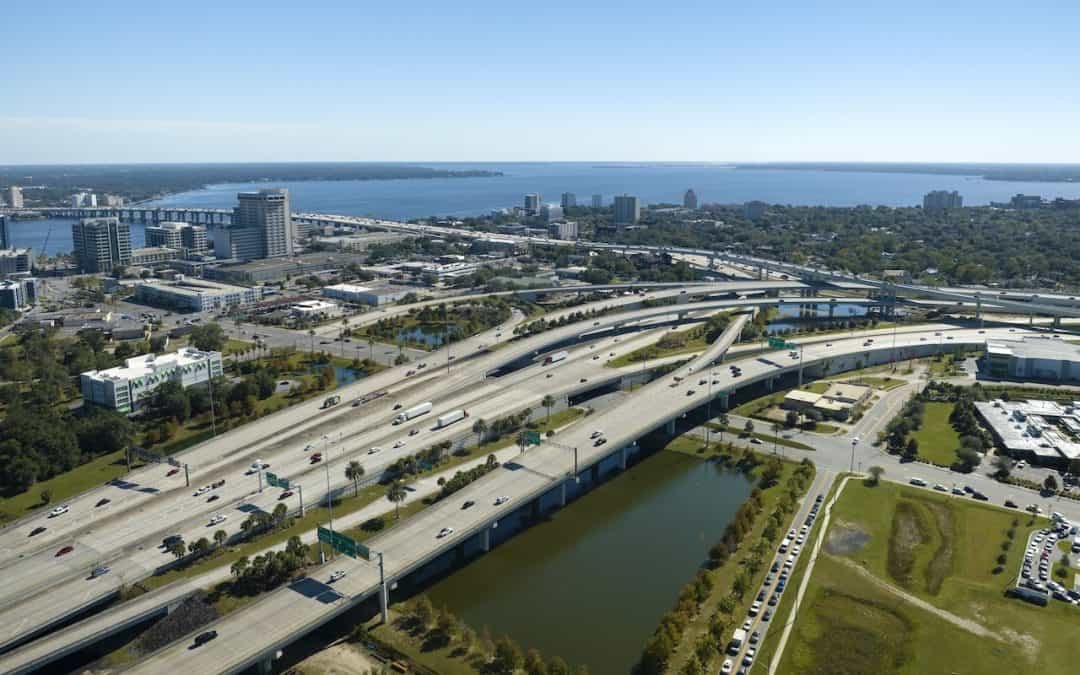
The 4 Most Dangerous Highways in Florida

The 4 Most Dangerous Highways in Florida

Most Dangerous Roads in America: Florida Edition

The Most Dangerous Highways in Florida: Why They Rank Among the Deadliest in the Nation, And the State’s Initiatives to Reduce Alarming Accident Rates. 

Four of the nation’s top ten deadliest highways are located right here in the Sunshine State. It’s insights like these that make you wonder, why are Florida roads so dangerous? Factors like heavy traffic, outdated infrastructure, high-speed limits, a booming population, and an increase in tourism and snowbirds all contribute to the dangers. Fortunately, Florida is addressing these challenges through major projects and statewide initiatives aimed at improving its most dangerous and congested highways. 

But in the meantime, in this blog, we’ll take a closer look at the most dangerous highways in Florida, the factors that make them so deadly, and the improvements underway. 

Four of the Nation’s Top Ten Deadliest Highways

#1 Deadliest Highway Nationwide – Interstate 4 (I-4)


I-4, spanning 132 miles from Tampa to Daytona Beach, is consistently ranked as the most dangerous highway in Florida and the entire United States, with a staggering 1.134 deaths per mile.  


Tourism & Poor Infrastructure


One major contributor to I-4’s risks is its role as a connector between some of Florida’s most populated and visited cities. Orlando, located at the heart of I-4, is a global tourist hotspot, home to Walt Disney World, Universal Studios, and other major attractions. March has the highest rate for accidents on I-4, largely due to increased tourism during spring break. Tourists have to navigate extremely large highways with poor interconnectivity, confusing exits, and outdated infrastructure that struggles to meet modern traffic demands. These challenges, along with constantly looking at the GPS for navigation, often lead to sudden braking, last-minute lane changes, and abrupt merging. This is particularly evident in areas like Downtown Orlando, where poorly designed interchanges create bottlenecks and driver frustration. 


Young woman using smartphone with gps navigation sitting in the car


Ongoing Improvements


Efforts are underway to address the challenges along I-4 through FDOT’s Moving I-4 Forward Program. Key projects include adding auxiliary lanes near Champions Gate, a bustling resort and residential community southwest of Orlando, and World Drive, a main access road to Walt Disney World. These expansions aim to reduce congestion and improve traffic flow in areas heavily traveled by tourists and locals alike, with significant relief expected by 2025.  

Improvements are also being made at the I-4 and U.S. 17-92 interchange, an area serving as a critical connection point for travelers heading into the Orlando metropolitan region. The project includes adding right-turn lanes, upgrading pedestrian and bicycle infrastructure, and redesigning the flow of traffic to reduce congestion and accidents.  

Four of the Nation’s Top Ten Deadliest Highways

#3 Deadliest Highway Nationwide – U.S. Route 192

U.S. Route 192, a 75-mile highway stretching from Four Corners to Indialantic, is ranked 3rd most dangerous highway in America. While it serves as a gateway to tourist-heavy areas like Kissimmee, it is also one of the most dangerous roads for pedestrians, with a fatality rate of 0.867 deaths per mile. While this commercial boom has made the area vibrant, U.S. Route 192 was not originally designed to handle such significant pedestrian activity. 


A Concern for Pedestrians


Pedestrians on U.S. Route 192 often face significant risks when navigating the roadway. The wide, multi-lane design, combined with a lack of safe crosswalks, forces many to weave through traffic to reach their destinations. Poor nighttime lighting, particularly in less-developed areas, further heightens the danger by making it difficult for drivers to spot pedestrians in time to stop. Despite Route 192’s role as a bustling commercial corridor, many sections maintain high speed limits increasing both the likelihood and severity of accidents.  

Ongoing Improvements


Efforts to enhance infrastructure along U.S. Route 192 are currently underway. FDOT is resurfacing the highway from I-95 to State Road 507 in Melbourne to extend the roadway’s lifespan and improve overall safety. Additionally, lighting improvements and plans for better pedestrian crossings are being implemented in high-risk areas to reduce accidents involving pedestrians. In the Kissimmee area, there are ongoing discussions about redesigning sections of U.S. 192 to better accommodate pedestrian traffic, including adding raised medians, more clearly marked crosswalks, and speed limit reductions in heavily trafficked zones. 

Four of the Nation’s Top Ten Deadliest Highways

#5 Deadliest Highway Nationwide – U.S. Route 92

U.S. Route 92, spanning 177 miles from St. Petersburg to Daytona Beach, is ranked the 5th most dangerous highway in America with a fatality rate of 0.706 deaths per mile. Tampa is one of the fastest-growing metropolitan areas in Florida, leading to an increase in both residential and commercial developments along U.S. 92. This growth contributes to heavy traffic congestion as commuters, tourists, and commercial vehicles all use this major route.  


Population Growth


Infrastructure is a major issue on U.S. Route 92. Tampa has experienced significant growth over the past decade. Narrow lanes, limited shoulders, poor visibility, and poorly designed interchanges, such as those near Dale Mabry Highway, frequently lead to accidents. Furthermore, ongoing construction to expand U.S. 92 to accommodate Tampa’s growing population contributes to congestion and safety hazards. Lane closures, shifting traffic patterns, and construction vehicles create additional challenges for drivers, resulting in a higher risk of accidents. 


congested traffic in large highway


Driving Under the Influence


Driving under the influence is also a significant concern in Tampa, a city renowned for its vibrant nightlife. However, the limited availability of public transportation and the high cost of rideshare services, especially during peak hours, often lead individuals to drive themselves. Furthermore, Amalie Arena, located just off this highway, regularly hosts major sports events and concerts, drawing crowds from across the region. After these events, heavy traffic, unfamiliarity with the area, and impaired driving create a hazardous environment, significantly heightening the likelihood of accidents, especially when driving under the influence. 


Ongoing Improvements


FDOT has initiated intersection improvements at U.S. 92 and 94th Avenue in Tampa, which include ramp upgrades to improve traffic flow and reduce bottlenecks. Additionally, FDOT is implementing advanced traffic management systems along U.S. 92, particularly on Hillsborough Avenue. These systems include real-time traffic monitoring with sensors and cameras, adaptive traffic signals that adjust based on congestion levels, and digital message boards to inform drivers about delays or alternate routes. This system is expected to improve the flow of vehicles, especially during peak hours. 

Further, plans to widen certain segments of U.S. 92 and add safer pedestrian infrastructure, such as better-lit crosswalks and raised medians, are under discussion to accommodate the growing population and reduce risks. 

Four of the Nation’s Top Ten Deadliest Highways

#8 Deadliest Highway Nationwide – Interstate 95 (I-95)

I-95, spanning 1,908 miles from Miami, FL to Houlton, ME is ranked the 8th most dangerous highway in America with a fatality rate of 0.637 deaths per mile.  


Congestion Along Florida’s Major Cities


Running along the east coast of Florida, I-95 connects some of the state’s most bustling cities, including Miami, Fort Lauderdale, West Palm Beach, and Jacksonville. These cities are not only major work hubs attracting commuters daily but are also known for heavily congested traffic due to the seasonal influx of snowbirds and tourists. On top of this, constant road construction to accommodate Florida’s booming population further exacerbates the congestion and safety risks. 


Jacksonville’s Commercial Truck Traffic


Jacksonville is the deadliest city along I-95, largely due to its heavy commercial truck traffic and complex interchanges. As a key route for freight transport, I-95 near Jacksonville often accommodates a significant number of large trucks. These vehicles require longer stopping distances and have substantial blind spots, making them prone to severe accidents with smaller passenger cars. The challenges are compounded by Jacksonville’s intricate network of interchanges, particularly where I-95 intersects with I-10, U.S. 1, and I-295. These junctions are confusing for unfamiliar drivers, leading to sudden lane changes, merging conflicts, and traffic backups during peak hours. Combined with the already congested nature of I-95 throughout Florida, the result is a heightened risk of side-impact and rear-end collisions. 

Ongoing Improvements


FDOT is undertaking several projects to improve safety and traffic flow along I-95. In Jacksonville, work is underway to enhance the I-95 and I-10 systems interchange. This project includes the construction of new flyover ramps, expanded lanes, and updated signage to make the interchange less confusing for drivers. In South Florida, the Golden Glades Interchange near Miami is receiving a major overhaul to address its reputation as one of the most congested sections of I-95. Improvements include better traffic flow designs, widened lanes, and advanced traffic management systems. 


elevated highways, blue sky


Additionally, FDOT is focusing on lighting upgrades, including installing LED lights along key stretches of I-95 to improve nighttime visibility and reduce accidents. There are also plans to add rumble strips and enhance lane markings to prevent lane departures. 

Florida’s Road Safety Initiatives


Florida has undergone significant changes over the past decade. The continual increase in new residents and visitors heightens demands on its infrastructure. To account for this growing population, the state has initiated projects to address its notoriously dangerous and congested highways, such as I-4, U.S. 192, U.S. 92, and I-95. Beyond these targeted improvements, Florida has also launched broader initiatives to enhance road safety statewide. 


Wrong Way Vehicle Detection System


One example is the $45 million Wrong Way Vehicle Detection System expansion, which aims to prevent head-on collisions by installing advanced detection systems at 380 more off-ramps. These systems alert drivers when they are traveling in the wrong direction and notify authorities to respond quickly. Another major effort is the $60 million investment in rumble strips—grooved patterns installed on over 3,000 miles of highways to alert drivers if they unintentionally drift out of their lane, reducing the risk of accidents. 

Florida’s Motor Vehicle Accident Lawyers Since 1991

These dangerous highways in Florida are among the most dangerous in the nation, with reckless driving, high traffic volumes, and outdated infrastructure posing significant risks to drivers and pedestrians alike. If you or a loved one has been injured in a car accident on one of Florida’s highways, you don’t have to face the aftermath alone. The Law Offices of Scott Jay Senft have decades of experience helping victims of reckless driving and highway accidents recover the compensation they deserve. Our team understands the unique challenges posed by Florida’s roads and will fight to ensure your rights are protected. Contact us today for a free consultation and take the first step toward justice and recovery. Your safety matters, and so does your case.  

Calculate Emotional Pain and Suffering Settlements for Personal Injury Claims

Calculate Emotional Pain and Suffering Settlements for Personal Injury Claims

Emotional Pain and Suffering Settlements

Understand How Florida Calculates Emotional Pain And Suffering Settlements with Real-Life Examples. Get Maximum Compensation. Free Consults.

Comprehensive Tort Law Insights

Empower Yourself with Knowledge

Explore our in-depth resources to better understand your legal options and protections under tort law.

An emotional pain and suffering settlement plays a vital role in addressing the psychological and physical impact of injuries caused by accidents. These settlements compensate victims for hardships like anxiety, depression, PTSD, and the loss of enjoyment in life—effects that go beyond financial losses. In this blog, we’ll break down the factors that influence these settlements, explain how they’re calculated, and provide compelling pain and suffering settlement examples to highlight their importance in securing justice for victims. 

What are Pain and Suffering Damages in Personal Injury Cases?

Pain and suffering damages refer to the money awarded to accident victims for physical, mental, and emotional harm. Physical damage includes discomfort from injuries, chronic conditions, or long-term medical treatments. Whereas emotional damage consists of psychological symptoms such as anxiety, depression, PTSD, or loss of enjoyment in life.   

Emotional damage aims to compensate beyond the financial costs of an injury, restituting victims for the impact on quality of life. In turn, emotional pain and suffering settlements are often harder to quantify than medical bills or lost wages. Florida has specific guidelines and laws governing how emotional pain and suffering are compensated in personal injury cases, determining the extent of compensation victims can pursue for the emotional toll of their injuries. 

Florida's Legal Framework

Florida Laws on Emotional Pain and Suffering Settlements

Understanding how Florida law addresses emotional pain and suffering settlements is crucial for anyone looking to pursue a personal injury claim. The state’s legal framework outlines specific criteria and limitations that significantly influence the compensation awarded. 


Florida Laws on Emotional Pain and Suffering Settlement

The Serious Injury Threshold 


Florida operates under a no-fault insurance system. This means that your own insurance pays for damage incurred from an accident regardless of whether you’re at-fault. However, there is a clear exception when it comes to emotional pain and suffering.  

According to Florida law, the ability to seek compensation directly from the at-fault party, for pain and suffering, depends on the severity of your injuries. To qualify, your injuries must meet one or more of the following criteria:  

(1) permanent injury or significant loss of a bodily function,  

(2) significant scarring or disfigurement or  

(3) death resulting from the accident.  

If your injuries meet this threshold, you can pursue pain and suffering compensation directly from the at-fault party for “pain, suffering, mental anguish, and inconvenience because of bodily injury, sickness, or disease” (FL Statute 627.737 (2)) 


Caps on Emotional Pain and Suffering Settlements

In Florida, there are no caps on emotional pain and suffering settlements for personal injury cases such as car accidents or slip-and-fall incidents. This allows victims to pursue fair compensation based on the specific impact of their injuries. However, it’s worth noting that medical malpractice cases may have limitations, typically ranging from $500,000 to $1 million depending on the case details. 


Comparative Negligence in Florida


In Florida, your compensation for pain and suffering may depend on your level of fault in the accident. This is due to the state’s comparative negligence law, which reduces the amount of compensation you can recover by the percentage of fault assigned to you. For example, if you are deemed 20% at fault, your settlement will be reduced by 20%. This law highlights the importance of building a strong case to minimize fault, in turn, maximizing your recovery. 


Factors That Influence Pain and Suffering Settlements


Determining compensation for pain and suffering involves evaluating several factors that reflect the unique impact of an injury on the victim’s life. Pain and suffering compensation are not based on tangible cost and require a more subjective assessment. Here are the primary factors that influence these settlements: 


    • Severity of the Injury: Injuries like paralysis, traumatic brain injuries, or disfigurement often result in higher settlements due to their lasting impact on the victim’s life. 
    • Duration of Recovery: Chronic pain or the need for ongoing medical treatments adds to the calculation of pain and suffering damages. 
    • Impact on Quality of Life: Injuries preventing the victim from working, enjoying hobbies, or maintaining relationships can lead to a higher award. 
    • Emotional and Psychological Effects: Post-traumatic stress disorder, depression, anxiety, or documented emotional distress can increase settlement amounts. 
    • Age and Health of the Victim: Younger victims or those in good health prior to the accident may receive higher settlements. 
    • Evidence and Documentation: Medical records, expert testimony, and personal journals describing pain and emotional suffering can substantiate claims and lead to a higher award. 
    • Defendant’s Degree of Negligence: If the at-fault party’s actions were particularly reckless or intentional, it may increase the settlement value as a deterrent and acknowledgment of the harm caused. 


A flatlay picture of human anatomy model with calculator on white background. Human calculator concept.

How Are Pain and Suffering Damages Calculated? 

Calculating emotional pain and suffering settlements is a complex process, as they are not tied to specific financial costs like medical bills or lost wages. Instead, they rely on subjective factors that consider the victim’s unique circumstances. Florida courts and insurance companies commonly use two methods: the multiplier method or the per diem method.  

The Multiplier Method

This multiplier method calculates pain and suffering by multiplying the victim’s economic damages (such as medical expenses and lost wages) by a number typically ranging from 1.5 to 5. The multiplier reflects the severity of the injury. A lower multiplier (e.g., 1.5) is used for minor injuries with short recovery periods. A higher multiplier (e.g., 4 or 5) applies to severe or permanent injuries with significant emotional or physical impact. For example, if a victim incurs $50,000 in medical bills and their injuries result in long-term pain and emotional distress, the court may apply a multiplier of 3, awarding $150,000 for pain and suffering. 

The Per Diem Method

The per diem method assigns a daily dollar amount to the victim’s pain and suffering and multiplies it by the number of days they have experienced these hardships. This approach is often used in cases where injuries cause temporary but significant pain during recovery. For instance, if a victim’s pain is valued at $200 per day, and their recovery takes 180 days, the total for pain and suffering would amount to $36,000.

Examples

Real-Life Pain and Suffering Settlement Examples

One notable pain and suffering settlement example is Tierney Darden v. City of Chicago (2017). In August 2015, 24-year-old Tierney Darden was standing outside Chicago’s O’Hare International Airport when a pedestrian shelter collapsed during a storm, causing severe injuries that left her paralyzed from the waist down. The jury awarded Darden a total of $148 million, reflecting the profound physical and emotional toll of her injuries.


North Broward District v. Kalitan Case Example


Another significant case highlighting substantial pain and suffering damages is North Broward Hospital District v. Kalitan (2017). This case involved Susan Kalitan, who underwent outpatient carpal tunnel surgery. During the procedure, her esophagus was accidentally perforated, leading to life-threatening complications. She endured multiple surgeries, an extended hospital stay, and a lengthy recovery, which significantly impacted her quality of life. The jury awarded Kalitan a total of $4,718,011, including $2 million for past pain and suffering and $2 million for future pain and suffering.

Dedicated Advocacy for Your Rights & Compensation

Committed to Securing Your Rights and Compensation

At The Law Offices of Scott Jay Senft, we bring over 30 years of experience fighting for justice and have helped our clients recover hundreds of thousands of dollars in pain and suffering settlements. Our holistic approach ensures that you’re not only supported legally but also connected with medical professionals to aid your recovery when needed. With a no-win, no-fee policy and a free consultation, pursuing justice comes with no risk to you. Let us guide you through this challenging time and fight to secure the compensation you deserve. Contact us today to take the first step toward recovery. 

What Is a Fabre Defendant in Florida?

What Is a Fabre Defendant in Florida?

What is a Fabre Defendant in Florida?

Fabre Defendants in Florida Personal Injury Cases – Key Facts, Origin, and Protecting Your Compensation.

In the state of Florida, tort law protects your right to sue for damages caused by the negligence of others. However, certain cases, such as auto accidents, may involve multiple negligent parties. If you have been injured in an accident and are currently investigating your legal options, you may have come across — and been confused by — the term, “Fabre defendant.  

Legal Framework

What is a Fabre Defendant?

A Fabre defendant is someone partially at fault for an incident but not directly named in the lawsuit as a defendant. In negligence cases, the defense may argue that another individual or group shares responsibility, even if the plaintiff did not initially identify them. For example, in an auto accident, if a car rear-ends you after swerving to avoid a reckless driver in their lane, the defense might argue that the reckless driver also shares liability. By naming this third party as a Fabre defendant, the court could allocate a portion of the fault to them, reducing the damages owed by the named defendant. This tactic, while not focused on the Fabre defendant’s primary liability, can significantly impact the compensation you ultimately receive. 


Why Fabre Defendants Are Often Missed 


There are a variety of reasons a Fabre defendant might not have been named in the suit. The person suing may not have identified this party as bearing any responsibility. In some cases, they may not realize a potential Fabre defendant is even relevant to the case. If a suit is filed without sufficient investigation, it is easy to skip over important factors. This simple mistake might be a crucial one, because relying on the Fabre defense can help defendants reduce their overall liability and avoid paying full damages. In such cases, the victim could end up receiving less compensation than they are owed. 

The Role of Comparative Negligence in Fabre Defenses 


Fabre defendants are closely tied to Florida’s comparative negligence law, which allow fault to be distributed among multiple parties based on their degree of responsibility. Under this system, each party is liable for damages proportional to their percentage of fault. However, this can also affect the victim’s compensation—if the victim is found partially responsible, their recovery amount is reduced by their share of the liability.  

When a Fabre defendant is introduced, it further shifts the distribution of fault. For instance, if the court assigns 20% of the fault to a Fabre defendant, the liability for the named defendant decreases, reducing the damages they owe. This can create significant complications if the Fabre defendant isn’t initially identified in the lawsuit. Since they are not directly involved in the case, they cannot be held accountable for their share of the damages, leaving the victim to shoulder the financial shortfall. 

The Case That Defined the Fabre Doctrine: Fabre v. Marin


Because the distribution of liability plays such a central role in determining financial responsibility, all involved parties must be considered. Inevitably, lawsuits can arise which do not properly account for everyone’s liability. This possibility was addressed in the resolution of a specific case: Fabre v. Marin. 

What Happened?

In 1993, Ann Marin was injured in an auto accident as a passenger in her husband’s vehicle. To recover damages, she filed a suit against Mrs. Sue Fabre, whom she believed to be responsible for the accident. According to her, Mrs. Fabre had pulled in front of the Marins’ vehicle unexpectedly, causing her husband to swerve into a nearby guardrail. During trial proceedings, the defense noted that Mrs. Marin was just a passenger. On the other hand, her husband, Mr. Ramon Marin, played an active role as the driver. Even if Mrs. Fabre negligently changed lanes in front of him, the defense argued that Mr. Marin still bore some responsibility for the incident. 

Part of a driver’s responsibility is awareness of their surroundings, so it could be argued that Mr. Marin was also negligent in his driving. Mrs. Fabre’s defense team requested that the court evaluate his percentage of fault, and not just hers. 

Who Was At Fault?

The jury determined that Mrs. Marin, the injured party, was owed a total amount of $357,750. The jury also found Mr. Marin 50% at fault. 

Ordinarily, this might lead to a simple result: both parties must pay 50% of the total damages. However, the judge declared Mr. Marin exempt, because of a principle called interspousal immunity. In other words, since Mr. Marin was married to the victim, he was not expected to pay her any damages. The full compensation amount instead rested squarely on the shoulders of the original defendant, Mrs. Fabre. 

What Was The Outcome?

Fortunately for Mrs. Fabre, the Florida Supreme Court intervened and overturned the judge’s decision. The justices decided that a defendant could not be held liable for damages greater than their percentage of fault. Therefore, while Mr. Marin still did not have to pay any damages, Mrs. Fabre only had to pay 50%. Mr. Marin was the original Fabre defendant. Though not originally party to the lawsuit, his percentage of fault ultimately changed the outcome of this case and many to follow. The case of Fabre v. Marin established an important precedent that would become known as the Fabre Doctrine. Defendants are permitted to submit other parties to be considered for liability because an accurate distribution of fault is necessary to ensure a fair result. 

Abuse Explained

Types of Abuse in Nursing Homes

The result of Fabre v. Marin was not ideal for everyone involved. Ultimately, Mrs. Marin only received 50% of the compensation amount owed, due to her husband’s immunity. This highlights an imperfection in the Fabre defense: successful use of the tactic often comes with negative implications for the victim. 


How the Fabre Doctrine Affects Your Case 


When pursuing litigation in Florida, the Fabre Doctrine poses a challenge in your ability to receive full compensation. If found liable, a Fabre defendant cannot be immediately made to pay their share. Further litigation may be required in order to obtain the rest of what you are owed. 

Additionally, if the defense suspects they will be able to reduce their liability, they are not likely to agree to a large settlement. Instead, they may exaggerate the fault of a Fabre defendant to get you to accept a reduced amount. Therefore, it is essential to prepare yourself adequately for the potential of a Fabre defense. Before filing, consider hiring a lawyer to help you reinforce your case.  


How a Florida Personal Injury Lawyer Can Help 


An attorney’s understanding of comparative negligence laws and ability to anticipate challenges such as a Fabre defense can help protect your rights and strengthen your case. Here’s how an attorney can assist: 


1. Identifying All Liable Parties Ahead of Time 


A personal injury lawyer can prepare for your lawsuit by applying their expertise and professional connections to get more information. When you hire an attorney, they will investigate every detail of the accident and work to obtain necessary documentation. All this investigation works towards building your case. In addition, they may reach out to experts to get relevant testimony. Your lawyer’s investigation may reveal multiple liable parties, which can help you preempt a Fabre defense. 


2. Knowing the Law 


Just because the defense names a Fabre defendant does not mean that party is actually liable. You may feel threatened with the possibility of losing compensation, but your attorney is not likely to fall for intimidation tactics. Instead, they rely on their own expertise to build a solid case you can feel confident about. An attorney can also identify potential holes in the defense’s argument in real time, keeping you one step ahead. 


3. Devising Counter Strategies 


A lawyer will be better equipped to know when to expect a Fabre defense. If there is potential for a Fabre defense, they will help you devise a plan ahead of time. With their knowledge of liability and familiarity with your specific case, your attorney can prepare the best strategy for the situation. 

florida catastrophic injuries lawyer scott senft

Get A Florida Personal Injury Lawyer

At The Law Offices of Scott Jay Senft, we make it our mission to help clients recover the compensation they are owed. Boasting over three decades of experience, our team of Florida personal injury lawyers is prepared to handle every step of the litigation process. With your case in good hands, you can relax and focus on your recovery. If you are ready to connect with a legal representative who will fight tirelessly on your behalf, we are available around the clock. Don’t hesitate to reach out today for a free consultation. 

Wrongful Death Settlements – Facts & Examples

Wrongful Death Settlements – Facts & Examples

Wrongful Death Settlements: Key Facts for Families Seeking Justice

Discover wrongful death settlements: key facts, compensation, and case examples – learn how claims work, who can file, and what damages may be awarded.

Comprehensive Tort Law Insights

Empower Yourself with Knowledge

Explore our in-depth resources to better understand your legal options and protections under tort law.

Losing a loved one in a wrongful death incident is deeply painful, leaving families with both emotional and financial burdens. Wrongful death settlements can help ease some of these burdens by offering families a way to pursue justice and compensation. This blog dives deeper into explaining who is eligible to file a wrongful death claim, the legal grounds required, recoverable damages, and factors that influence settlement amounts. By understanding these essential aspects, families can make informed decisions as they seek justice and compensation. 

FAQ

What is a Wrongful Death Claim?

A wrongful death claim is a legal action taken under tort law when a person’s death is directly caused by another party’s negligence, misconduct, or intentional harm. Family members or personal representatives may seek a wrongful death settlement to receive compensation for death-related losses including financial and emotional suffering. Florida’s statute of limitations for wrongful death claims is two years from the date of death. Failure to file within this period usually equates to an inability to seek compensation from the party responsible.   


Who Can Sue for Wrongful Death?

In Florida, only the personal representative of the deceased’s estate can file a wrongful death claim on behalf of the surviving family members. The personal representative is usually named in the deceased’s will or estate plan. However, if no personal representative is specified, the court appoints someone—often a close family member like a spouse, or another suitable individual depending on the family and estate circumstances. Their role extends beyond filing the claim. They ensure that compensation is fairly distributed to each eligible survivor according to Florida law, based on their specific losses. This structure ensures a balanced and lawful distribution of compensation among all entitled family members. 


How Are Wrongful Death Settlements Paid Out?

Wrongful death settlements are paid out through a structured process that prioritizes fair distribution among eligible survivors—those family members legally entitled to compensation. The settlement amount is awarded to the deceased’s estate, and from there, the personal representative of the estate ensures the funds are distributed to each eligible survivor. Eligible survivors typically include the deceased’s spouse, children, parents, and financially dependent individuals. 

Florida law allows these survivors to recover both economic damages—such as medical expenses, lost wages, and funeral costs—and non-economic damages for emotional suffering, loss of companionship, and other intangible losses. The personal representative manages this distribution, ensuring each eligible family member receives an appropriate portion based on their specific losses and needs.

FAQ

What is the Average Payout in a Wrongful Death Lawsuit?

In the U.S., the average payout in a wrongful death lawsuit typically ranges from $500,000 to $1 million, though wrongful death settlements can vary significantly based on the specifics of each case. Wrongful death claims generally result in higher payouts compared to personal injury claims because they involve the loss of life. Factors like the deceased’s age, earning potential, the emotional and financial impact on surviving family members, and state restrictions, all influence the settlement amount. 

What Damages Can Be Recovered in a Wrongful Death Lawsuit?

Damages in wrongful death settlements typically include economic and non-economic compensation for losses such as medical expenses, lost wages, funeral costs, and emotional suffering. In some cases, punitive damages are also awarded to punish the defendant for especially egregious behavior. 


Economic Damages

Economic damages cover measurable financial losses, including medical expenses incurred prior to the deceased’s death, lost income that the deceased would have provided to the family, and funeral or burial costs. These damages are straightforward and are meant to alleviate the financial burdens that often accompany an unexpected death. 


Non-Economic Damages

Non-economic damages are more subjective and address the emotional pain, suffering, and loss of companionship that family members experience. This includes the loss of guidance, care, and emotional support that the deceased would have continued to provide. Amounts awarded for non-economic damage can be substantial, particularly in cases where the deceased was a significant contributor to emotional and familial stability. 


Punitive Damages

Punitive damages are meant to punish the defendant when the death is caused by egregious behavior, such as gross negligence or intentional harm. This type of damage serves to deter similar conduct in the future. However, not all states allow for punitive damages. Florida allows for punitive damages in wrongful death lawsuits, but they are subject to certain limitations. For example, punitive damages cannot exceed three times the compensatory damages or $500,000, whichever is greater. However, if the defendant’s actions were intentional or motivated by profit despite known dangers, the cap increases to four times the compensatory damages or $2 million, and in some cases, there is no limit. 

Case study

Notably High Wrongful Death Settlement in Florida

In Mathew Rotell v. Kristina Gaime, a $500 million settlement was awarded, constituting compensatory damages for the emotional suffering and lost income of the family as well as a substantial amount in punitive damages. Gaime’s actions were deemed as intentional since she attempted to kill both of her children by gassing them in her minivan. Because the harm was deliberate, no cap was placed on punitive damages to ensure punishment for the abhorrent behavior. The high punitive damages awarded underscores how intentional harm can result in much larger awards, serving both as punishment and a deterrent. 

Popular Case Example

Is Wrongful Death Civil or Criminal?

A wrongful death lawsuit is a civil case, meaning it is focused on compensating the victim’s family rather than punishing the defendant with criminal sanctions like prison time. The goal of a wrongful death suit is to provide financial compensation for losses. These cases are filed by the deceased’s family or estate against the responsible party. In contrast, criminal cases—such as charges of murder or manslaughter—are brought by the government and can result in penalties like jail time. Both types of cases can occur simultaneously. 


The O.J. Simpson Trial: Civil vs. Criminal Case

A well-known example is the O.J. Simpson trial. In 1995, Simpson was acquitted in a criminal trial for the murders of his ex-wife Nicole Brown Simpson and her friend Ronald Goldman. Despite his acquittal in the criminal case, Simpson was later found liable in a civil wrongful death lawsuit filed by the families of the victims. In the civil case, the jury found him responsible for the deaths and awarded $33.5 million in damages to the families. The different outcomes arose because the burden of proof is lower in civil cases. Criminal cases require proving guilt “beyond a reasonable doubt,” while civil cases only require proof based on a “preponderance of the evidence,” meaning it was more likely than not that Simpson was liable for the deaths. 

Florida auto accident law team

Get Your Free Consultation Today

At The Law Offices of Scott Jay Senft, we have dedicated over 30 years to helping families navigate the difficult and emotional process of wrongful death lawsuits. While we understand that no settlement can ever truly compensate for the loss of a loved one, we are committed to holding those responsible accountable. Our team of wrongful death lawyers has secured millions of dollars in compensation for our clients, ensuring they receive the financial support needed to move forward. We are here to provide the strong legal representation you deserve, guiding you through every step of the way. Call us today and get a free consultation.

Frequently Asked Questions

Get answers to common questions about wrongful death lawsuits and legal representation to better understand your rights and options.

How Long Does a Wrongful Death Lawsuit Take?

A wrongful death lawsuit typically last anywhere from several months to a few years to resolve, depending on various factors. If liability is clear and the parties agree on a settlement, cases can be resolved as early as a matter of months. However, more complex cases—especially those involving disputed facts, multiple defendants, or high-value claims—can take much longer, often extending to a few years if they go to trial. 

Who Gets the Money in a Wrongful Death Lawsuit?

In a wrongful death lawsuit, the money awarded typically goes to the surviving family members or dependents of the deceased. The specific distribution of funds depends on the laws of the state and the relationship of the survivors to the deceased. In most cases, compensation is provided to immediate family members such as spouses, children, and sometimes parents. The funds may be allocated based on each family member’s level of dependency on the deceased, ensuring fair distribution.

What is the Statute of Limitations for Wrongful Death?

The statute of limitations for filing a wrongful death lawsuit varies by state. In Florida, the statute of limitations is generally two years from the date of death. This means that the lawsuit must be filed within this time, or the family risks losing the right to seek compensation. However, the timeline can be shorter or longer in other states, and exceptions may apply, such as in cases of medical malpractice or government-related claims.

Can You Sue a Hospital for Wrongful Death?

Yes, you can sue a hospital for wrongful death if the death was caused by medical malpractice or negligence by healthcare providers. This can occur if a doctor, nurse, or other medical staff failed to provide the standard of care expected, leading to the patient’s death. Wrongful death claims against hospitals typically involve cases where there was a failure to diagnose a condition, surgical errors, medication mistakes, or improper care during treatment. In these lawsuits, the plaintiff (usually the family or estate of the deceased) must prove that the hospital or healthcare professional was negligent and that this negligence directly caused the death. 

Are Wrongful Death Settlements Taxable?

When it comes to taxes on wrongful death settlements, the IRS generally does not tax compensatory damages—these include damages for things like medical bills, funeral costs, pain and suffering, and other emotional distress related to the physical injury or death. However, punitive damages, which are meant to punish the defendant for egregious actions, are taxable as income. Additionally, any interest earned on the settlement would also be subject to taxation. 

What does a Wrongful Death Lawyer Do?

A wrongful death lawyer helps families seek compensation after a loved one’s death by managing the entire legal process. They evaluate if negligence or misconduct caused the death, gather evidence, and file the lawsuit within the legal timeframe. The lawyer negotiates settlements or represents the family in court to secure compensation for economic losses, emotional suffering, and punitive damages. Their goal is to handle all legal aspects while providing support to the family during a difficult time.

wrongful death lawyer working with young female client and pointing at laptop

How to Overcome the Challenges of a Nursing Home Abuse Lawsuit

How to Overcome the Challenges of a Nursing Home Abuse Lawsuit

Nursing Home Abuse Lawsuits

Filing a Nursing Home Abuse Lawsuit? Prepare for the Road Ahead & Learn How An Attorney Can Help You Succeed.

Available 24/7

Free Case Evaluation

Do you believe that you or a loved one has been abused by the staff in a nursing home facility? If so, you are not alone. Nursing home abuse, the mistreatment of nursing home residents by their caretakers, is a widespread problem in the US. The World Health Organization indicates that rates of elder abuse are concerningly high in elder care institutions. In fact, 2 in 3 nursing home staff members reported some form of abuse towards residents in a single year. Yet as few as 1 in 14 cases of elder abuse are reported 

Although victims and their loved ones commonly feel guilt or shame in the wake of nursing home abuse, you are not at fault. These institutions have a legal and ethical responsibility to ensure safe, humane care for you or your loved one. When they fail to uphold that responsibility, they must be held accountable for violating your rights. Fortunately, there are steps you can take, protected under tort law, to prevent further injustices and seek remedies for yourself.  

This article will prepare you for the most common challenges faced when pursuing a nursing home abuse lawsuit; followed by success stories, and how an attorney will navigate you through the process of attaining justice and compensation.  

Get your Free Consultation From Our Personal Injury Law Firm Today!

Florida Nursing Home Abuse

Filing a Nursing Home Abuse Lawsuit

Victims of nursing home abuse often suffer from stress, frustration, and anxiety. Thus, following up with a lawsuit may feel like a daunting step to take. However, with the help of an attorney, victory is certainly attainable.  


In the state of Florida, you have two years from the date of the incident to claim compensation. To file a nursing home abuse lawsuit, you’ll need to establish, and have evidence that supports, the link between the damage you’ve experienced and the caretakers’ misconduct. For a detailed guide on types of nursing home abuse, signs, and legal protections, read Identifying & Combating Nursing Home Abuse. 

Common challenges

Common Challenges Faced When Filing a Nursing Home Abuse Lawsuit

Many complications can arise when filing a nursing home abuse lawsuit, but knowledge is power. The more you know about these challenges, the better prepared you will be to fight them with confidence. 


Delays

One of the more common frustrations faced when filing a nursing home abuse lawsuit is delays or lengthy legal processes. Reasons for delay often involve (1) strategically lengthy negotiations with the institution and insurance representatives; (2) waiting for a trial date if a settlement isn’t reached; (3) post-trial appeals. Depending on the unique circumstances surrounding your case, the entire process may take anywhere from a month or two to over a year. 

Delays may often result in stress for victims as they are already facing a wide range of challenges, e.g., financial restraints due to medical expenses. However, it is important to remember that they are a natural part of the process. Don’t let their representatives talk you into accepting a potentially bad deal with the promise of reaching a quicker resolution. When in doubt, rely on the counsel of your legal representative. 


Interference from Institutions and Insurers

In some nursing home abuse lawsuits, especially when larger entities are involved in the suit, the negotiation process can feel hostile. Often, the goal of both the institution and its insurers will be to minimize their financial liability. It is not uncommon to run into aggressive defense tactics. Fortunately, a lawyer is familiar with such tactics and has experience handling highly defensive parties. 


Determining Liability

Typically, nursing home facilities have multiple individual operators take on different responsibilities to create an overall care environment. Because of this, it may be difficult to discern which parties are liable. Liable entities may include staff, third-party contractors, upper management, and even larger corporate entities who own the facility. This is another situation where an experienced attorney’s eagle eye can help sort out what’s what. Your attorney will assess the evidence to determine any parties liable, even the less obvious ones. 


Gathering Supporting Evidence

Another common and stress-inducing obstacle faced in a nursing home abuse lawsuit is difficulty in acquiring evidence. Due to the ultra-involved nature of care institutions, crucial evidence can be a headache to obtain. 


Obtaining Records from the Facility

Medical records are often a key piece of evidence in injury cases. For nursing home abuse lawsuits, attaining such evidence may prove to be a difficult task since the at fault party, e.g., the facility, possess some, if not all, of this information. The facility may misplace or mishandle the information, or even purposely delay or withhold it. An easy resolution to this problem is to seek support from a nursing home abuse lawyer. An experienced attorney knows the processes and tactics to gather this type of evidence; this is especially helpful when the facility causes unnecessary difficulty. 


Obtaining Testimony from Residents

Witness testimony is another crucial piece of evidence needed to support nursing home abuse cases. Not only is attaining witness testimony challenging due to witness reluctance, but the opposing party may question the reliability of the testimony. It is important to hire a nursing home abuse attorney from the onset to collect and protect the testimony needed. 


Reluctance from Witnesses

Unfortunately, many residents who witness nursing home abuse are unlikely to report it due to fear of retaliation. Other factors which may affect willingness to report abuse may include: 

  • Downplaying the severity of the event 
  • Difficulty recalling precise details 
  • Feelings of shame and embarrassment.  


Testimony Called into Question

If a witness has problems with cognition, memory, or even communication, their ability to serve as a reliable witness may be called into question by the opposing party. Since cognitive disability and mental illness are noted risk factors for elder abuse, it’s important to seek out witnesses without cognitive impairments such as other healthcare staff not responsible for the abuse.  

Fighting for the Outcome You Deserve in a Nursing Home Abuse Lawsuit


In any nursing home abuse lawsuit, there will be obstacles to overcome. Yet the benefits of pursuing a suit can make it well worth any concerns you may have. A successful suit can not only bring a sense of relief but also bring about material changes for the better. You may receive compensatory damages to alleviate any financial burdens incurred. Additionally, in some cases, preventative action may be taken to reduce the likelihood of future incidents. The potential benefits of a nursing home abuse lawsuit can be observed through the outcomes of real cases. 

$2.34 Million in 2020 Nursing Home Negligence Case

In 2020, Betsy Jentz of Los Angeles, CA was admitted to Country Villa Wilshire Healthcare Center after hip surgery. While at this center, 84-year-old Jentz was subject to prolonged negligence because of the insufficient number of staff in the facility. Moreover, Jentz’s call light was out of reach and her room’s phone unplugged. These circumstances caused serious delays in staff response when Jentz needed assistance. The negligence led to at least ten falls, a fractured pelvis, and permanent damage to Jentz’s shoulder. The jury found that Jentz’s rights were violated 132 times while in the facility. Jentz’s case was awarded a total verdict of $2.34 million. 

$26 Million in 2023 Wrongful Death Case

Stephen Tate of Trumbull County, OH was shot in the head at the age of 19. He was left permanently disabled and in need of 24/7 supervising care, especially when eating. The facility in charge of Tate’s care, Signature HealthCARE of Warren, was reportedly both understaffed and mismanaged. In 2019, 69-year-old Tate was abandoned by staff to eat by himself and aspirated during his lunch. It took staff over 40 minutes to call an ambulance despite his condition. Tragically, Tate passed away on account of the damage. The lawyers representing Tate’s estate were able to secure a record-breaking $26 million verdict. The results included a wrongful death verdict, compensation for rights violations, and punitive damages. 

$1.2 Million in 2017 Physical Abuse Case

Eryetha Mayberry was a woman in her 90s suffering arthritis and dementia. In 2012, she was in the care of Quail Creek Nursing and Rehabilitation Center in Oklahoma City, OK. Mayberry’s family discovered certain items missing, as well as bruises on Mayberry’s arms and hands. Unable to get an explanation from the facility, the family placed a hidden camera in Mayberry’s room. On April 16th, 2012, the camera recorded footage of a nursing assistant physically abusing Mayberry. The employee slapped Mayberry in the face with latex gloves and then stuffed them in her mouth, while another employee looked on. Mayberry’s family filed a suit after her death to seek compensation for her abuse. The suit led to a $1.2 million verdict in favor of Mayberry’s family. Reportedly, the care center has since undergone changes in management and implemented a more intensive employee screening process. 

How a Nursing Home Abuse Lawyer Can Help 


When considering a lawsuit for nursing home abuse, it can be hard to know what to expect. With all the complications that can arise, the anxiety can be overpowering. But you don’t have to handle any of these roadblocks alone. By seeking out an experienced nursing home abuse attorney, you can strengthen your case and lighten your load. Their skills and expertise can lower these hurdles and clear your path to financial compensation and peace of mind. 


Reducing Potential Complications 

Through experience and professional connections, they effectively navigate any complications while acquiring key evidence and testimony. Legal experts also understand liability intimately and can ensure you file your suit properly. Lastly, a lawyer has familiarity with the defensive tactics commonly employed by insurance companies. 

personal injury lawyer Scott Senft and Alex Senft back to back with crossed arms

Take The First Steps

At The Law Offices of Scott Jay Senft, we are committed to supporting you through the challenges of any litigation process. We have over 30 years of experience and the results to back it up. If you’re looking for skilled, reliable legal representative for a nursing home abuse lawsuit in the state of Florida, we may be able to help. If you suspect nursing home abuse, do not hesitate to contact us for a free consultation today with a nursing home abuse attorney. 

954-505-2183