Maximizing Your Hurricane Damage Claim in Florida
Preparing For Your Hurricane Damage Claim. Take A Deep Dive into Homeowners, Hurricane & Flood Insurance + Combat Denied or Underpaid Claims.
Comprehensive Legal Insights
Empower Yourself with Knowledge
Explore our in-depth resources to better understand your legal options and protections for property damage.
The Financial Toll of Hurricane Helene and Milton
Florida experiences hurricanes every year, but this season brought two major back-to-back storms, leaving a trail of devastating losses and immense financial strain. Hurricane Milton caused an estimated $2.89 billion in insured losses, while Hurricane Helene resulted in approximately $1.44 billion.
The Reality for Homeowners: Denied and Underpaid Claims
As insurance companies process incoming waves of property damage claims, homeowners experience pushback from the insurer, may it be the amount owed or disputes regarding the validity of the claim. In such instances, a hurricane damage attorney becomes essential, offering the resources and expertise needed to hold insurers accountable and demand rightful compensation.
Fight for the Compensation You’re Rightfully Owed
The Law Offices of Scott Jay Senft has over three decades maximizing compensation on behalf of clients. Our commitment to protecting the vulnerable fuels our relentless approach. Following a natural disaster, it is our community that provides the support we need to move forward. As members of the community, equipped with extensive knowledge of Florida law, it is our duty to protect residents impacted by natural disasters and betrayed by insurers.
Schedule A Free Consult, Policy Review, and On-Site Inspection With Our Attorney & Public Adjuster!
Insurance Coverage Explained
Florida Homeowners Insurance Coverage Explained: Hurricane Damage
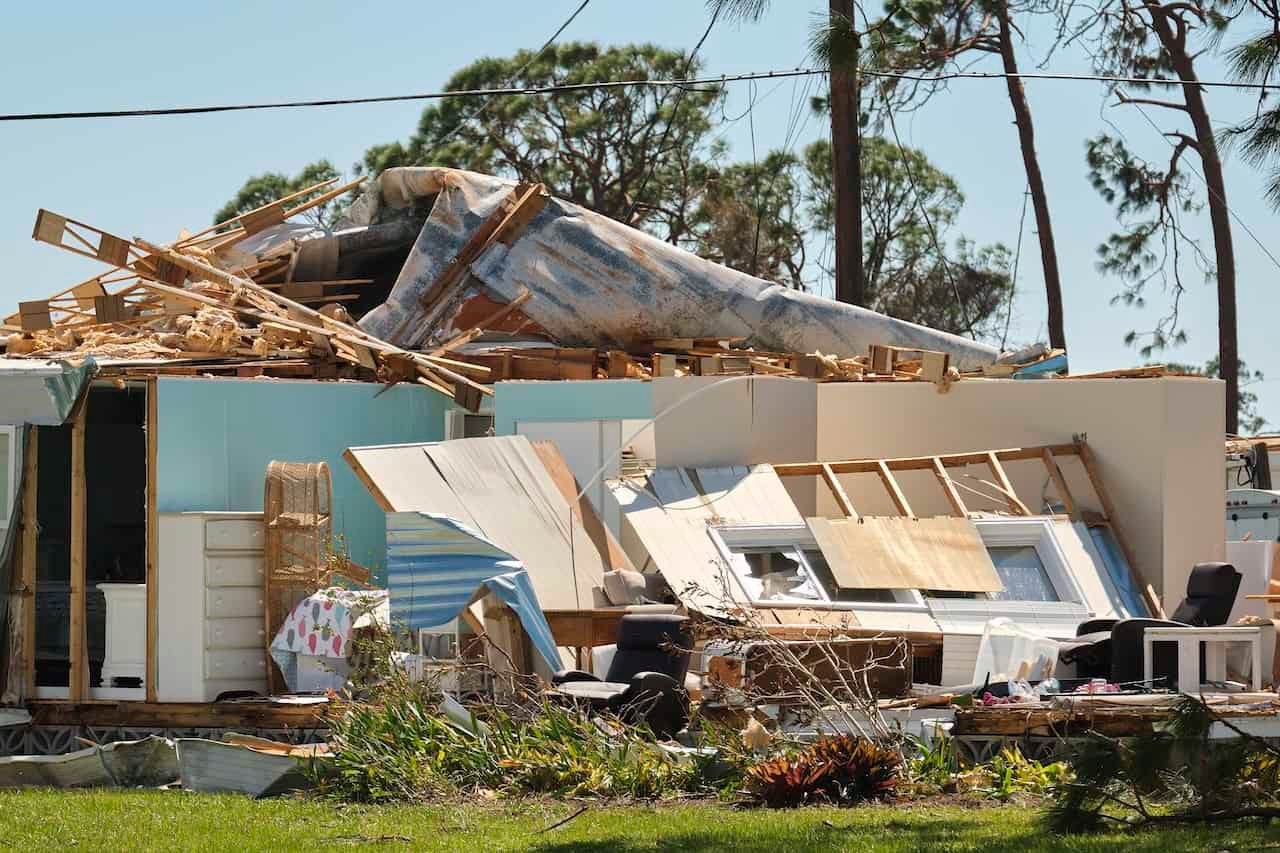
In Florida, homeowners’ insurance policies generally include “hurricane coverage” as mandated under Florida statute 627.4025. This coverage specifically addresses losses caused by windstorms during a hurricane.
The statute defines “hurricane coverage” as covering any loss or damage from the force of wind during a hurricane. This includes any secondary damage to the interior of the building or its contents. For example, if high winds create an opening, allowing rain, sleet, or dust to enter and cause additional damage, the resulting interior damage would be covered under the policy.

In addition to standard policy terms, hurricane coverage in Florida includes a unique hurricane deductible. This deductible applies exclusively to claims from hurricanes named by the National Weather Service, like Hurricane Milton or Hurricane Helene.
What Specific Property is Covered Under Florida’s Hurricane Coverage within a Homeowners Insurance Policy?
Hurricane coverage within a homeowners insurance policy offers essential protection, but the specifics can vary depending on the policy. It’s crucial for homeowners to review their declarations page which outlines key details like coverage limits, deductibles, and included protections. Hurricane coverage typically includes protection for your home’s structure, additional structures (e.g. garage, fences, sheds), personal belongings, interior damage due to wind openings, and additional living expenses (e.g. temporary accommodations).
Home Structure
Hurricane coverage helps cover repairs or reconstruction of the primary structure of the home, including walls, roofs, and foundations. This coverage ensures that the main building where you live is protected against damage from hurricane-force winds and flying debris. Additionally, it includes built-in appliances and essential home systems, such as HVAC units and water heaters, if they’re damaged by the hurricane.

Other Structures
Detached structures on the property, like garages, fences, sheds, and carports, are typically covered under the policy’s ‘other structures’ provision, provided they are located on the insured property.

Personal Property
Hurricane insurance generally includes protection for personal belongings inside the home that may be damaged by wind or water intrusion caused by wind. This could include furniture, electronics, clothing, and other valuables. Coverage amounts vary based on policy limits, so reviewing and ensuring these limits are adequate is essential.
Interior Damage Due to Wind-Related Openings
Hurricane coverage also includes interior damage if wind causes an opening in the structure, allowing rain, dust, or sand to enter and damage property inside. This type of coverage is distinct from personal property protection as it focuses on the structural integrity of your home’s interior. For example, if a hurricane damages your roof, allowing rain to leak into your attic and damage the ceiling below, this coverage will help pay for the necessary repairs. It ensures that any secondary damage caused by breaches in the home’s exterior is addressed, maintaining the overall condition of your interior spaces.
Additional Living Expenses (ALE)
If hurricane damage renders the home uninhabitable, hurricane coverage often provides for additional living expenses. This can include hotel stays, meals, and commuting costs incurred while the home is being repaired or rebuilt. ALE helps homeowners maintain their quality of life during the recovery period.
Does Hurricane Insurance Cover Flooding?
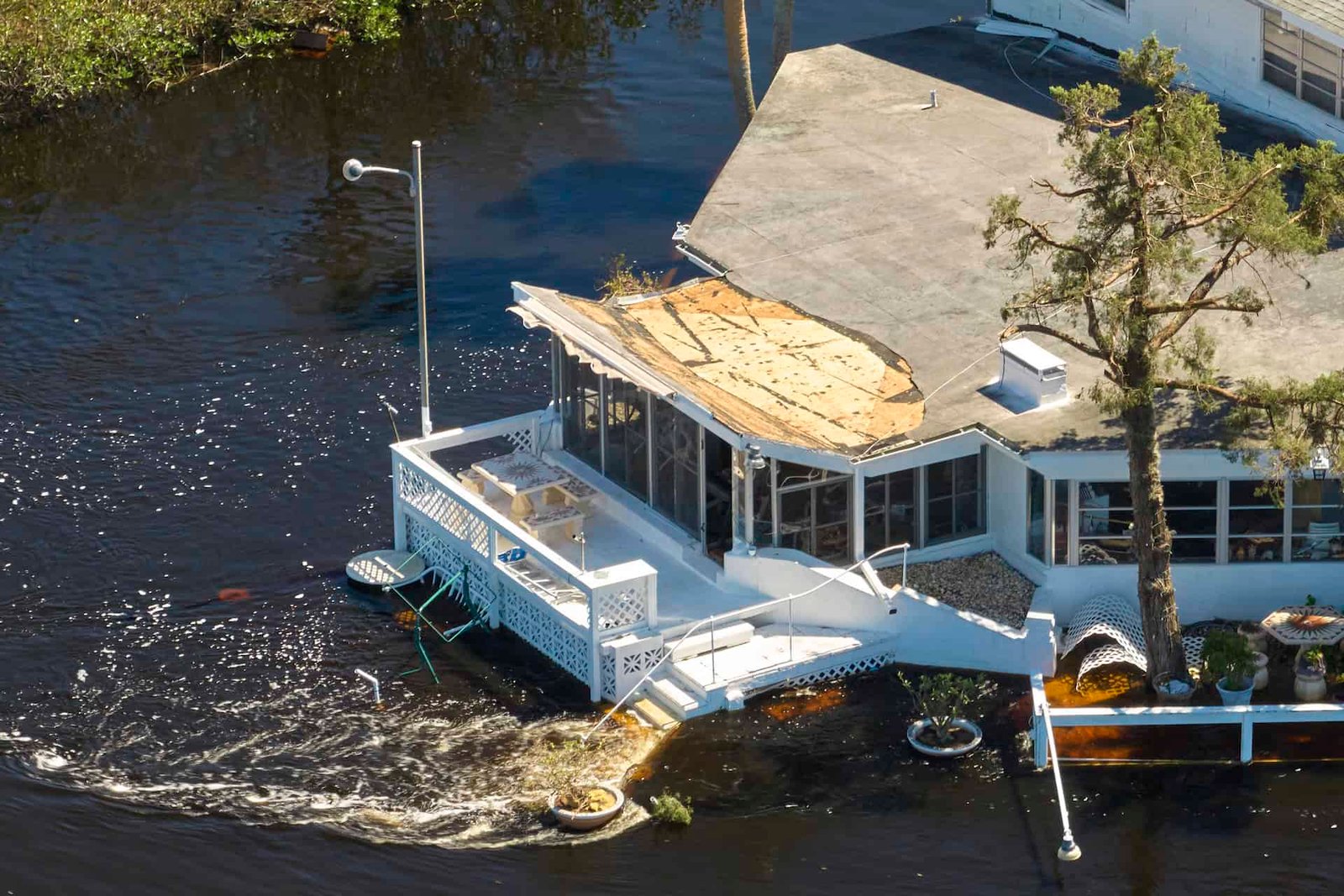
While hurricane insurance provides valuable coverage for wind-related damage, it does not cover flood damage. Flood coverage is a separate policy that protects against damage caused by rising water, storm surges, and other flood-related incidents commonly triggered by hurricanes. Unlike hurricane coverage, which addresses structural and interior damage caused by high winds, flood insurance focuses on water intrusion from ground-level sources, such as overflowing rivers or storm surges.
Differences Between Hurricane and Flood Insurance
Flood insurance is designed to cover damage specifically caused by external water entering the home. This includes structural damage, foundation repair, flooring replacement, and electrical system repairs. Additionally, flood coverage protects personal property affected by rising water, such as furniture, electronics, and clothing, up to the policy limits.
If hurricane winds tear off part of the roof and rain enters, damaging walls and belongings, this would generally be covered by hurricane insurance. In contrast, if a storm surge causes floodwater from a nearby river to inundate the home and result in similar interior damage, flood insurance would be needed to cover these costs.
Denied and Underpaid Hurricane Damage Claims
Knowing the differences between hurricane and flood insurance is essential, as each policy addresses specific types of damage. However, even with comprehensive coverage, many homeowners encounter issues when insurers process claims. Due to the high volume of claims following severe hurricanes, insurers may delay, underpay, or deny rightful payouts, often citing exclusions or disputing damage assessments. This can leave policyholders facing significant out-of-pocket expenses, despite having prepared for such disasters.
Why Claims Are Often Denied or Underpaid
Several reasons can contribute to denied or underpaid claims. Insurers may argue that certain damages aren’t covered, dispute the extent of the damage, or claim that pre-existing conditions contributed to the loss. In hurricane-prone areas, insurers also scrutinize claims, sometimes attributing damage to excluded causes, like flooding, rather than wind or structural compromise covered by hurricane insurance.
What You Can Do to Avoid Claim Issues
To avoid common issues with hurricane damage claims, it’s crucial to document all damage thoroughly right after the storm. Take detailed photos and videos of the affected areas and keep receipts for any temporary repairs or relocation expenses. Additionally, be specific in describing the damage to avoid confusion between wind-related and flood damage. For example, if high winds caused structural damage that allowed rain to enter and damage your belongings, describe it as “structural damage with resulting water damage to interior items.” Avoid describing it as “flooding,” which may be interpreted as a flood insurance claim if you don’t have a flood policy. Don’t make definitive statements about damages or fault without proper assessments, as this can be used against you.
What to Do If Your Hurricane Damage Claim is Denied
If your hurricane damage claim is denied, don’t lose hope—there are steps you can take to seek fair compensation. First, request a detailed explanation from your insurer about why the claim was denied. Reviewing this along with your policy’s declarations page can help clarify any coverage misunderstandings. Be sure to document everything, from photos and videos of the damage to repair estimates and receipts, as these records strengthen your case.
Benefits of Contracting a Public Adjuster and Hurricane Damage Attorney
Hiring both a public adjuster and a hurricane damage attorney can be invaluable for ensuring you receive fair compensation. A public adjuster works independently from your insurer to assess damages, document losses, and negotiate directly with the insurance company, helping to maximize your payout, especially when initial offers fall short. Meanwhile, a hurricane damage attorney provides essential legal support if your claim is denied, underpaid, or if bad faith practices arise. Attorneys familiar with Florida insurance laws can file appeals, challenge unfair denials, and even pursue legal action when necessary. Together, a public adjuster and an attorney offer comprehensive support through the entire claims process, helping protect your rights and secure the compensation you need.
Dedicated Advocacy for Your Rights & Compensation
Committed to Securing Your Rights and Compensation
As Florida residents, The Law Offices of Scott Jay Senft deeply understands the immense stress homeowners face in the aftermath of a hurricane. With over 30 years of experience fighting insurance companies, we know the ideal process for navigating complex claims and work closely with public adjusters to help secure the maximum compensation available. Together, we’re dedicated to protecting your rights, handling every detail, and ensuring you aren’t left bearing the financial burden alone. When insurance companies underpay or deny claims, our team stands by you, advocating with skill and commitment. Contact us today for a free consultation, policy review, and on-site inspection to begin your journey toward the compensation you deserve.
Frequently Asked Questions
Get answers to common questions about hurricane damage claims and legal representation to better understand your rights and options.
What Is the Hurricane Damage Claims Process in Florida?
The hurricane damage claims process in Florida typically involves several steps. First, report your loss to the insurance company as soon as possible. You’ll then need to document the damage by taking photos and videos, and an insurance adjuster will inspect the property to assess the extent of the damage. The insurer will use this assessment to calculate your claim’s value and make a settlement offer. If disagreements arise, you can negotiate, and in cases of disputes, consulting a public adjuster or attorney may help secure a fair outcome.
How Long Do I Have to File a Hurricane Claim in Florida?
Under Florida law, property insurance claims, including hurricane damage claims, must be filed within one year of the date of loss, which is the date the hurricane made landfall as verified by the National Oceanic and Atmospheric Administration (NOAA). A reopened claim must also be filed within this one-year timeframe. However, for supplemental claims—claims for additional costs or damage discovered during repairs or replacement—the deadline is 18 months from the date of loss. It’s crucial for policyholders to be aware of these deadlines to avoid having their claims barred for late filing.
Does Homeowners Insurance Cover Hurricane Damage in Florida?
Yes, Florida homeowners insurance typically covers hurricane-related damage, specifically for wind and wind-driven rain. However, it does not cover flood damage, which requires a separate flood insurance policy through the National Flood Insurance Program or a private insurer.
Does Renters Insurance Cover Hurricane Damage?
Renters insurance does not cover structural hurricane damage (this falls under the landlord’s insurance). However, renters insurance often includes coverage for personal belongings damaged by hurricane winds and may offer additional living expenses if the property becomes uninhabitable. Flood damage, however, is not included and requires separate flood insurance.