
Cybertruck Safety Issues: Design, Recalls, and Road Concerns

Cybertruck Safety Issues: Design, Recalls, and Road Concerns

Exploring CyberTruck Safety Issues

Explore Cybertruck Safety Issues, Design Concerns, And Recalls. Is The Tesla Cybertruck Safe? Learn Expert Insights on Its Road Safety Impact. 

Few vehicles have sparked as much attention and controversy in 2024 as the Tesla Cybertruck. With its bold design and cutting-edge technology, Tesla’s newest electric vehicle (EV) promises to redefine the auto industry. However, alongside the excitement, serious questions have emerged about Cybertruck safety issues—from its unconventional design to its performance on the road.  

Concerns about the Cybertruck have only grown since Tesla CEO Elon Musk famously remarked that cybertruck drivers in an “argument” with another vehicle will “win.” Such statements, combined with the truck’s heavyweight build and rigid stainless-steel exterior, have left many wondering: Is the Cybertruck safe for everyone on the road? 

This blog explores the most pressing safety concerns and Cybertruck accident risks, providing a look at what makes this vehicle unique—and potentially dangerous. Whether you’re a Cybertruck owner, a driver sharing the road with one, or simply curious, this guide will address the questions that matter most. 

Safety Issues Explained

What Makes the Cybertruck Stand Out?

The Tesla Cybertruck is an electric pickup truck known for its futuristic, unusual angular design. Built with a rigid stainless-steel exoskeleton and reinforced glass, Tesla claims the Cybertruck is engineered for durability and protection. According to Tesla, it boasts impressive capabilities, such as carrying up to 2,500 lbs., and towing up to 11,000 lbs., making it a heavy-duty EV designed for power and utility.  

Rising Concerns: Blind Spots

However, the Cybertruck’s safety issues often take center stage when discussing its design. The sharp edges, blocky frame, and tall profile contribute to significant blind spots, raising concerns about visibility for drivers. While these features make the Cybertruck a one-of-a-kind vehicle, they also raise critical questions about its safety. 


grey cybertruck


Key Safety Features in the Cybertruck


While Tesla’s design has raised significant safety concerns, the Cybertruck does feature advanced technologies that aim to enhance driver safety and prevent accidents. Key features include an array of sensors and cameras designed to detect potential hazards, such as head-on collisions or lane departures. These systems enable the Cybertruck to assist with critical functions like automatic braking, helping drivers slow down when necessary to avoid crashes.  

Tesla asserts that these technologies meet the performance criteria established by Federal Motor Vehicle Safety Standards (FMVSS), but it’s important to note that these standards are self-certified by the manufacturer, not independently verified by agencies like the NHTSA. While these driver-assistance systems add a layer of protection, they are not foolproof. Drivers must remain attentive and responsible, as no technology can eliminate the risk of accidents entirely. 

The Cybertruck's Lack of Independent Crash Testing

One of the most significant Cybertruck safety issues lies in the absence of independent crash testing. Despite being on the market for nearly a year, the Tesla Cybertruck has not undergone evaluations by the National Highway Traffic Safety Administration (NHTSA) or the Insurance Institute for Highway Safety (IIHS). These organizations are widely regarded as the gold standard for assessing vehicle safety, and their crash tests provide critical data to help consumers make informed decisions. 

Tesla has certified the Cybertruck under Federal Motor Vehicle Safety Standards (FMVSS), but this certification is based on self-reported, in-house testing conducted by the manufacturer. Unlike the rigorous and transparent testing protocols employed by the NHTSA or IIHS, Tesla’s internal testing lacks third-party validation, leaving many unanswered questions about the Cybertruck’s real-world safety performance. 

Expert Opinions

Expert Opinions and Controversy Over Cybertruck Safety

The Tesla Cybertruck’s unconventional design has sparked significant safety concerns, particularly regarding its impact on other vehicles and pedestrians. 


Bulky & Heavy Build


 Many experts have raised alarms about the Cybertruck’s bulky build, sharp edges, and rigid stainless-steel exterior. These features, while visually striking, could exacerbate the severity of collisions. A crash involving such a solid and heavy vehicle may result in greater damage and injuries, especially to smaller vehicles or vulnerable road users like pedestrians and cyclists. 


Lack of Crumple Zones


Another major concern is the apparent lack of crumple zones—a standard safety feature in most modern vehicles. Crumple zones are designed to absorb and distribute the force of an impact, reducing the risk of serious injury to passengers. Tesla has claimed the Cybertruck includes shock absorption measures, but the specifics remain unclear, leaving some experts skeptical about its crashworthiness. The Cybertruck has also faced multiple recalls, highlighting the ongoing challenges in ensuring the vehicle’s safety and reliability. 


cybertruck safety issues: crumple zone infographic

Cybertruck History

The Recall History: Addressing Safety Issues

Recalls are issued when a vehicle is found to have defects or design flaws that compromise safety or fail to meet federal standards. While recalls are common across the auto industry, they provide valuable insights into potential safety risks. In its first year on the market, the Tesla Cybertruck has undergone six recalls, raising questions about its reliability and the manufacturer’s response to cybertruck safety issues. With each recall, Tesla has also provided a way for those affected to fix the issue. This is usually a software update or vehicle maintenance at no additional cost to the consumer. 


Cybertruck Recalls 


Date 

Issue 

Description 

Fix 

Jan 30, 2024 

Warning Indicator Readability 

Brake, Park, and Antilock indicators had fonts too small to meet visibility standards. 

Software update to enlarge font size. 


Apr 17, 2024 

Accelerator Pedal Malfunction 

Accelerator pedal could become stuck, increasing the risk of a Cybertruck accident. 


Free maintenance to fix or replace pedal. 


Jun 19, 2024 

Windshield Wiper Malfunction 

Windshield wipers failed to operate properly, affecting driver visibility. 

Replacement of wiper motor. 


Jun 19, 2024 

Loose Applique 

A loose applique posed the risk of becoming a road hazard. 

Maintenance to replace faulty attachment. 


Sep 26, 2024 

Backup Camera Delay 

Backup camera experienced delays, creating blind spots when reversing. 

Over-the-air software fix. 


Nov 5, 2024 

Drive Inverter Malfunction 

Faulty drive inverter led to loss of propulsion in some vehicles. 

Maintenance to replace the inverter. 


Considerations

Legal Considerations for Cybertruck Drivers

The Cybertruck is legal to own and operate in the United States, meeting Federal Motor Vehicle Safety Standards (FMVSS). However, its legality in other regions, such as Europe, is less certain due to differing safety regulations. This global discrepancy further underscores the unique nature of the Cybertruck and its potential safety and legal implications.  


The Impact on Liability


In the U.S., the Cybertruck’s size and weight introduce unique liability considerations. While its advanced safety features aim to reduce risks, the vehicle’s heavy-duty design means it could cause more significant damage in an accident compared to smaller vehicles. This doesn’t inherently make Cybertruck drivers more liable, but it does emphasize the importance of cautious and responsible driving. By staying aware of the Cybertruck’s characteristics, addressing recalls promptly, and practicing safe driving habits, owners can minimize risks while navigating their legal responsibilities. 


Final Thoughts & Considerations


The Tesla Cybertruck is undeniably a groundbreaking vehicle, pushing the boundaries of design and technology in the automotive world. However, its unique features, lack of independent crash testing, and recurring safety concerns leave its true safety profile an open question.  While Tesla’s advanced driver-assistance technologies and quick responses to recalls demonstrate a commitment to addressing potential hazards, they cannot fully alleviate the concerns raised by experts and the driving public. For Cybertruck owners, staying informed, addressing recalls, and driving responsibly are crucial steps to ensure safety. 

Ultimately, whether the Cybertruck proves to be a safe innovation or a cause for concern will depend on further testing, data, and time. For now, the best approach is to remain cautious, prioritize awareness, and advocate for the transparency and testing necessary to evaluate this vehicle’s full impact on road safety. 

florida catastrophic injuries lawyer scott senft

Cybertruck Accident Lawyer – No Win, No Fee – Free Consults.

If you or a loved one has been injured in a Cybertruck accident in Florida, navigating the uncertainties can be overwhelming. At The Law Offices of Scott Jay Senft, we are here to protect your rights, guide you through the legal process, and fight for the compensation you deserve. Contact us today to speak with a Florida auto accident attorney who will stand by your side every step of the way. 
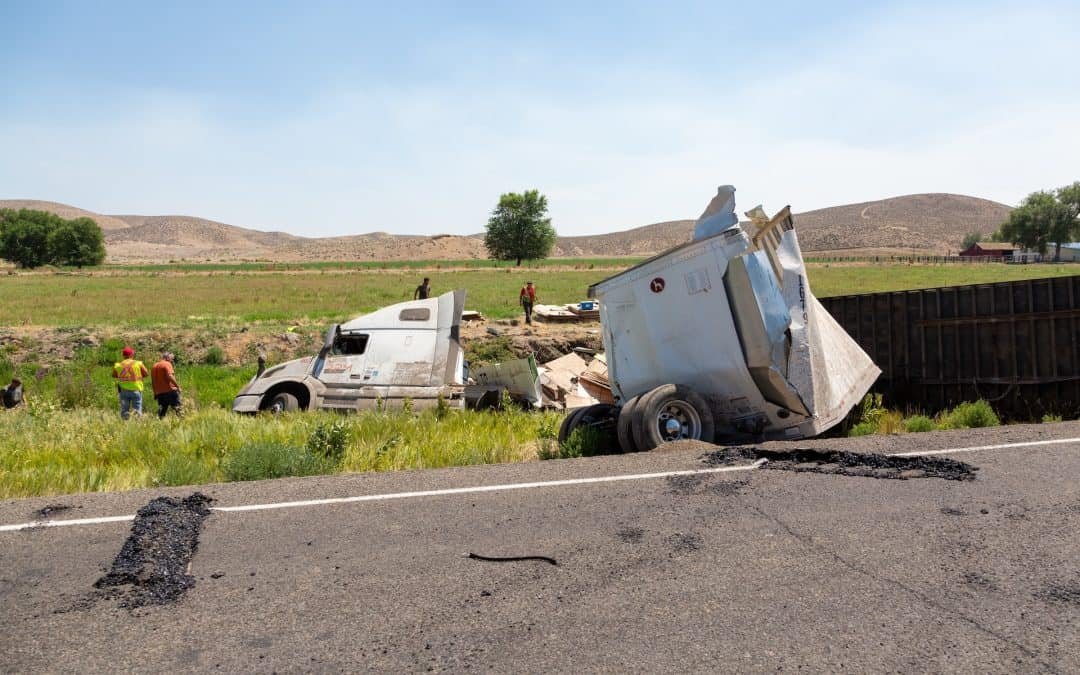
Average Truck Accident Settlement: Real Case Examples and What You Can Expect

Average Truck Accident Settlement: Real Case Examples and What You Can Expect

Average Truck Accident Settlement

Discover What Influences the Average Truck Accident Settlement. Learn From Real Case Studies with Payouts Up To $1 Billion. Free Consultation Available!

Comprehensive Compensation Insights

Empower Yourself with Knowledge

Explore our in-depth resources to better understand your legal options and protections under tort law.

In 2022, there were 4,764 fatalities resulting from large truck crashes. Of these deaths, 17% were truck occupants, 66% were occupants of cars and other passenger vehicles, and 16% were pedestrians, bicyclists, or motorcyclists. Victims and their loved ones suffer greatly due to another’s negligence. Such incidents impact one’s physical, financial, psychological, and emotional well-being. Thus, it is only fair that the affected parties receive every dime of compensation available under the law. Truck accidents, in particular, are incredibly daunting as multiple parties are typically involved and the severity of the impact tends to be greater than that of a car accident. Those who have been injured in a truck accident, that was not their fault, should seek legal counsel as soon as possible. Truck accident lawyers have the experience, expertise, and skill to maximize your compensation.  

What’s The Average Truck Accident Settlement?

Truck accident settlements in Florida typically range from $150,000 to $1 million, but the final amount depends on the unique circumstances of your case. Factors like the severity of injuries, the impact on your earning capacity, and the insurance limits of the defendant play significant roles in determining compensation. Florida’s modified comparative negligence law also affects the payout, as compensation can be reduced based on the victim’s degree of fault. Rather than relying on settlement calculators, it’s important to consult a truck accident attorney who can evaluate the specifics of your case, assess potential damages, and provide a more accurate estimate of what your settlement could be. Below, we explore the key factors that influence compensation and provide real case studies to illustrate how these variables affect outcomes. 

Factors Affecting The Average Truck Accident Settlement

Degree of Fault

In Florida, the comparative negligence system (Florida Statute §768.81) applies, meaning compensation is reduced based on your percentage of fault. Studies show that in Florida, plaintiffs who are found partially at fault still recover significant compensation—on average, 90% of their total damages, depending on the case. However, compensation is barred if the plaintiff’s fault exceeds 51%, so it’s vital to have an attorney assess and argue against unfair claims of shared liability. 

Severity of Injuries

Serious injuries, such as traumatic brain injuries, spinal cord damage, or amputations, lead to higher compensation due to the lifelong costs of medical care, rehabilitation, and reduced quality of life. According to the National Safety Council, the average economic cost of a disabling motor vehicle injury in 2022 was $162,000, while the comprehensive cost—which includes lost quality of life—was estimated at $1,066,000. These figures highlight the significant financial impact of such injuries, making truck accident claims particularly significant in terms of compensation. 

Lost Wages

Injuries that lead to reduced earning capacity or require the victim to take a lower-paying job can drastically increase compensation. For example, if a victim can no longer work as a manual laborer due to injuries and must take a sedentary job with lower pay, they can claim compensation for future lost earnings. Calculating future wages involves looking at the victim’s age, occupation, and potential for future promotions or raises. 

ADDITIONAL CONSIDERATIONS

Liability | Who Is Responsible?

Liability in truck accidents is often complex, as multiple parties can share responsibility. Trucking companies are typically liable under vicarious liability (Florida Statute §440.11). If the driver is working, and company negligence is present, such as improper vehicle maintenance or insufficient training, the company’s liability is increased. However, the truck driver may also be held personally accountable for reckless actions like speeding or driving under the influence, with Florida’s comparative negligence law allowing fault to be apportioned among all responsible parties. In some cases, third-party maintenance companies may be liable if poor servicing or mechanical failures caused the accident. When defective parts, such as faulty brakes, are involved, manufacturers may share liability under product liability laws. For rental trucks like U-Haul, liability depends on the rental agreement and insurance coverage, which both the renter and rental company must verify. Finally, government entities may be held partially responsible if the accident was due to poor road conditions or faulty design, although claims against the government must meet specific legal criteria under sovereign immunity laws. 

Insurance Coverage 

Truck companies typically carry higher insurance coverage than personal vehicles, with minimum federal requirements under 49 CFR § 387.9. Florida laws set regulations on insurance requirements based on vehicle weight. For example, trucks weighing more than 44,000 pounds must have a minimum of $300,000 in coverage. However, many trucking companies have policies well above this, reaching into the millions. The key to securing a full payout lies in understanding how these policies interact with personal injury laws, as multiple insurance policies may be involved. 

Average Truck Accident Settlements: Case Studies 

FedEx Rear-End Collision – $8 Million Verdict

In 2014, a woman driving on I-95 in Nevada was rear-ended by a FedEx truck that failed to brake in time. The impact caused her severe back and neck injuries, leading to ongoing medical treatment and pain management over several years. FedEx admitted liability for the crash but contested the extent of the woman’s injuries, arguing that they were largely due to a second car accident months later. Despite multiple settlement attempts, FedEx refused to offer more than $1.8 million. The case proceeded to trial, where a jury awarded the woman $8 million, with $5 million designated for future medical care. This case highlights the importance of thorough medical documentation and expert testimony in obtaining fair compensation for long-term injuries. 

Wabash National Rear-Impact Guard Case – $462 Million Verdict

In 2024, a Missouri jury delivered a landmark verdict against Wabash National, a truck trailer manufacturer, holding them accountable for a fatal underride crash that occurred in 2019. The case revolved around a collision where a car crashed into the back of a Wabash-manufactured trailer, resulting in the deaths of two occupants. The victims’ families were awarded $6 million each in compensatory damages, while an additional $450 million was levied in punitive damages against Wabash to send a message to the industry about prioritizing safety over cost-saving. The evidence demonstrated that this was a defective product case; specifically, design failure since Wabash continued using outdated technology despite knowing safer alternatives existed. Both wrongful death and product liability contributed significantly to the settlement awarded.  

Clarke County Semi-Truck Case – $160 Million Verdict

In 2024, a Clarke County jury in Alabama awarded $160 million to Leonard Street, a truck driver who sustained a neck fracture when his semi-truck rolled over on Highway 84 after a pickup truck pulled out in front of him. Street’s injuries were exacerbated by the defective design of the truck’s cab and seat, which dated back to 1995. His attorneys argued that the lack of an automatic pull-down safety seat and the weak structural integrity of the cab roof were critical factors in the severity of his injuries. The jury awarded $75 million in punitive damages, aiming to push the trucking industry toward safer design practices, and an additional $75 million in compensatory damages to Leonard Street. His wife was also awarded $10 million for her role in caring for her husband post-accident. This case could have a far-reaching impact, potentially influencing the adoption of stronger safety regulations for truck cabs and seats. 

2021’s Record-Breaking $1 Billion Trucking Verdict

In 2021, a Florida jury rendered a record-breaking $1 billion verdict against two trucking companies, Kahkashan Transportation Inc. and AJD Business Services Inc., in a wrongful death case. The verdict included $100 million awarded to the parents of an 18-year-old decedent for pain and suffering, and $900 million in punitive damages for negligent hiring and retention of an unlicensed driver by AJD. 

The accident occurred when an AJD truck driver, who was on his phone and over the legal driving hours, caused a crash by flipping his truck on the highway. An hour later, a Kahkashan driver collided with the stopped traffic, killing the 18-year-old. Notably, the Kahkashan driver was found to have been driving on cruise control and only attempted to brake one second before impact, as recorded by his truck’s data. 

$42 Million Verdict: A Tragic Underride Accident

In 2015, 16-year-old Riley Hein tragically died in a side underride accident on a New Mexico interstate. His car veered off the road and lodged underneath a trailer manufactured by Utility Manufacturing Company, dragged for half a mile until it caught fire. The accident was a result of the trailer lacking side underride guards, which could have prevented the car from sliding beneath the truck. 

In August 2019, a New Mexico jury awarded Hein’s family $42 million in a lawsuit against the trucking company, Barkandhi Express, and the manufacturer. The jury found both companies negligent for failing to equip the trailer with side underride guards, a safety feature not yet required but recognized for preventing fatal underride accidents. 

FedEx Wrongful Death Case – $32 Million for Each Victim

In 2011, a tragic collision involving a FedEx truck resulted in the deaths of Marialy Morga and her 4-year-old daughter, Ylairam, on a highway in New Mexico. The crash occurred when a FedEx semi-truck, traveling at 65 miles per hour, collided with the back of Marialy’s slow-moving pickup truck without any attempt to brake. The impact claimed the lives of Marialy, Ylairam, and the FedEx driver, Elizabeth Quintana, while critically injuring Marialy’s young son, Yahir. 

In total, the jury awarded more than $165 million in damages, with $32 million each awarded for the wrongful deaths of Marialy and Ylairam. This case stands as a significant example of how wrongful death claims involving commercial trucks can lead to substantial compensation, especially when multiple parties are involved and negligence is clear. 

Florida auto accident law team

Get Your Free Consultation Today

When you’re facing the aftermath of a truck accident, you deserve a legal team that understands the complexities of your case and fights for the compensation you’re entitled to. At The Law Offices of Scott J. Senft, we’ve successfully secured multi-million-dollar settlements for clients like you, navigating the intricacies of Florida’s trucking laws and federal regulations. You’ll receive personalized attention, expert representation, and peace of mind knowing that you don’t pay unless we win your case. Take advantage of our free consultation to discuss your options and let us handle the legal complexities, so you can focus on your recovery and rebuilding your life. 

954-505-2183